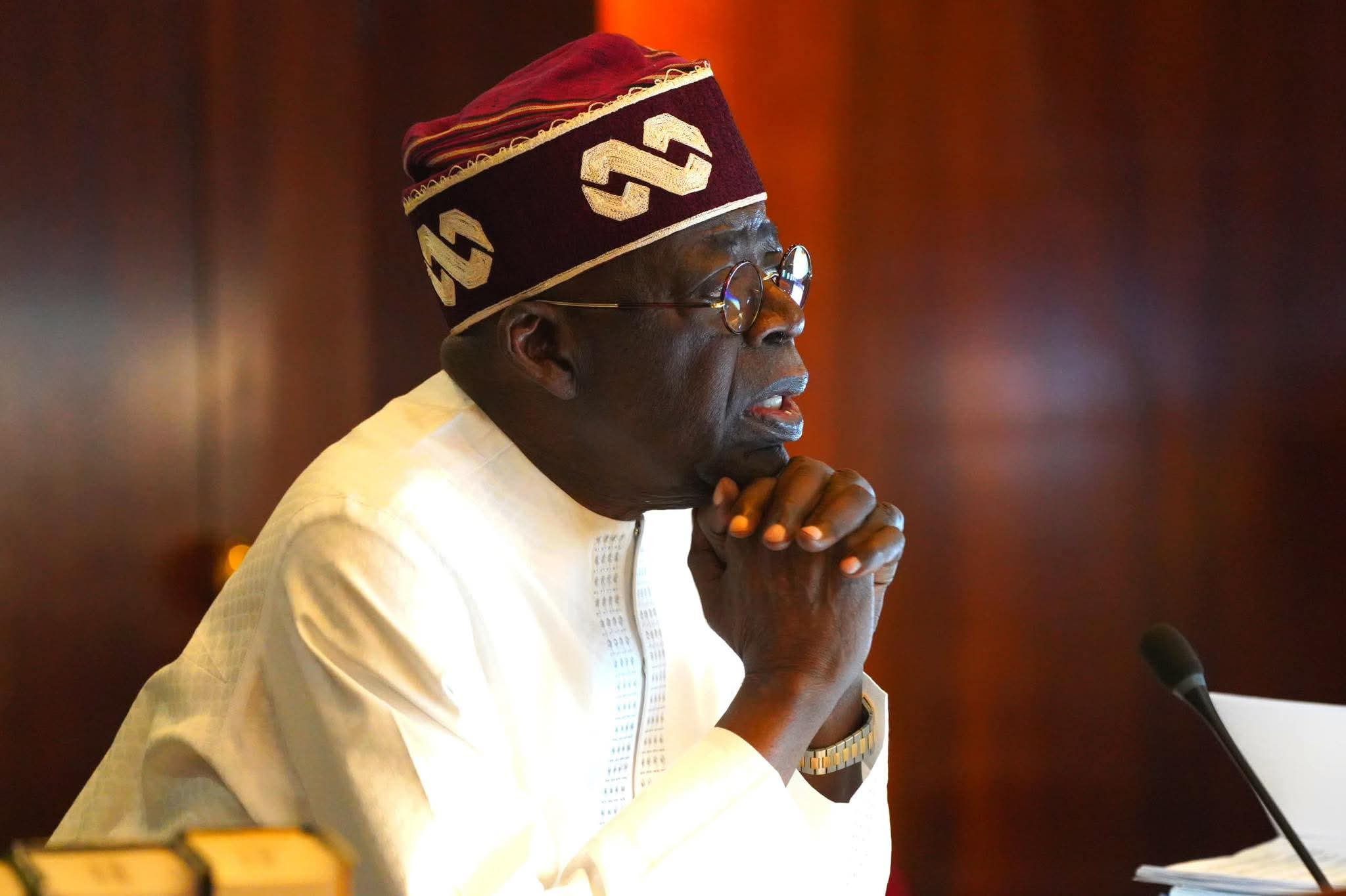
The Presidency says the strong financial performance recorded by many companies listed on the Nigerian Exchange (NGX) in the first half of 2026 is a direct result of the economic reforms introduced by President Bola Tinubu’s administration.
The President’s Special Adviser on Information and Strategy, Bayo Onanuga, said this in a statement issued on Wednesday in Abuja.
He said the reforms, particularly the unification of the foreign exchange market, had improved price discovery and enabled companies with significant foreign currency exposure to better reflect the value of their dollar-denominated earnings.
According to him, export-oriented firms such as Aradel Holdings and Seplat Energy have benefited from the policy because their revenues are largely earned in foreign currency.
Onanuga also said the administration boosted investor confidence in the oil and gas sector by approving major upstream transactions, including Renaissance Africa Energy Consortium’s acquisition of Shell Petroleum Development Company (SPDC) assets and Seplat Energy’s acquisition of Mobil Producing Nigeria Unlimited (MPNU) assets.
He said the approvals expanded the reserve base, production capacity and long-term growth prospects of both companies while removing regulatory uncertainties surrounding the transactions.
According to him, the approvals also strengthened indigenous participation in the petroleum industry and positioned the companies for higher production, stronger revenues and improved earnings.
The presidential aide added that the approval of crude oil sales in naira had strengthened local refining capacity, noting that Dangote Refinery had become a net exporter of Premium Motor Spirit (PMS) and aviation fuel.
He said manufacturing companies, including Dangote Cement, BUA Cement and HBM, formerly Lafarge Africa, also benefited from improved access to foreign exchange and a more predictable currency market.
Onanuga said the improved foreign exchange availability had reduced operational bottlenecks, enhanced supply chain planning and supported higher production, resulting in stronger revenue growth and profitability.
He also attributed the improved corporate performance to the removal of petrol subsidy, saying it had strengthened government finances, increased fiscal capacity for infrastructure investment and improved macroeconomic stability.
According to him, tighter monetary management, banking sector recapitalisation and ongoing financial sector reforms have created a more stable business environment by improving liquidity, boosting investor confidence and supporting long-term investment decisions.
He added that ongoing tax reforms aimed at simplifying administration and broadening the revenue base had also improved the ease of doing business.
Onanuga said the combined impact of the reforms had enhanced market efficiency, strengthened macroeconomic stability and improved investment planning, leading to stronger revenue and earnings among many listed companies.
He said the financial results reflected the broader impact of structural reforms rather than isolated company-specific factors, adding that the reforms had created a more predictable and efficient operating environment for businesses.