










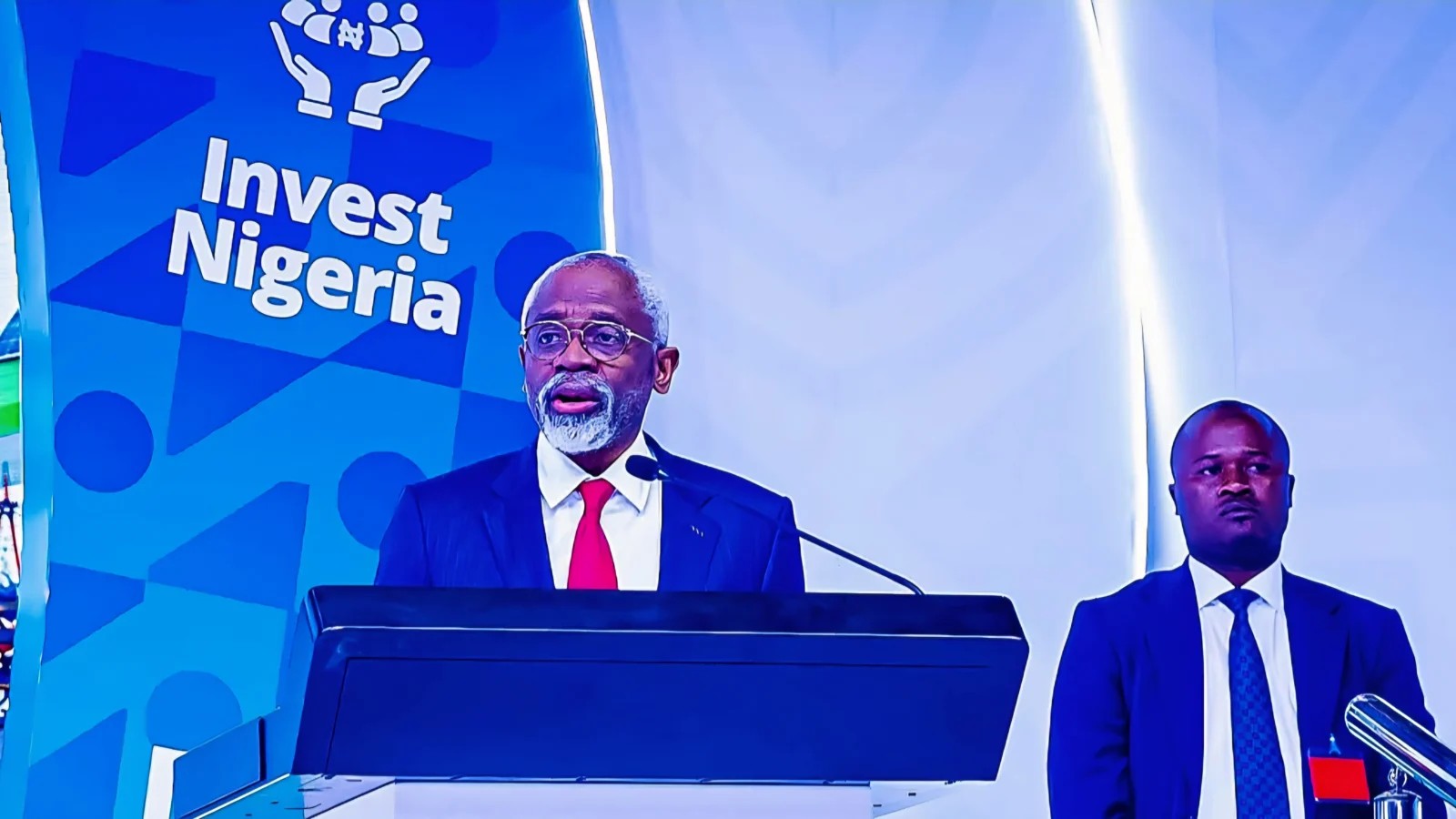
The Presidency has challenged Nigeria’s organised private sector to develop a comprehensive financing and implementation blueprint for state police, urging businesses to help build security institutions that protect investments and create jobs.
Mr Femi Gbajabiamila, Chief of Staff to the President and Chairman of the Presidential Working Group on the National Policing Bill, made the call at the 32nd Nigerian Economic Summit in Abuja.
He specifically tasked the Nigerian Economic Summit Group (NESG), chambers of commerce and business associations with developing practical proposals for financing, institutional management and accountable partnerships to support decentralised policing.
“I therefore ask the Nigerian Economic Summit Group to carry this engagement beyond our meeting. Bring forward a considered private sector contribution on financing and implementing state police, with practical proposals for accountable partnerships,” he said.
Gbajabiamila said insecurity imposed enormous costs on businesses through disrupted supply chains, abandoned investments, postponed factory expansions and lost economic opportunities.
“Your long-term security depends on the strength of public institutions beyond your gates,” he said, urging businesses to engage governors and legislators on the proposed reform.
He said private-sector expertise in financial planning, institutional management and risk assessment could strengthen the policing framework, while contributions must remain transparent and subject to independent scrutiny.
“Public funding must remain dependable, and a donation must never purchase influence over an investigation or preferential treatment,” he cautioned.
Gbajabiamila said states seeking to establish their own police services must demonstrate the capacity to sustain salaries, professional training, equipment maintenance and other recurrent expenditure beyond initial investments.
