








The Pan-Niger Delta Forum (PANDEF) has urged the National Assembly to reject a proposed 20 per cent deduction from the Nigerian Content Development Fund to finance the proposed National Council on Research, Science, Technology and Innovation.
PANDEF warned that the move could undermine the operations, ongoing investments and statutory responsibilities of the Nigerian Content Development and Monitoring Board (NCDMB).
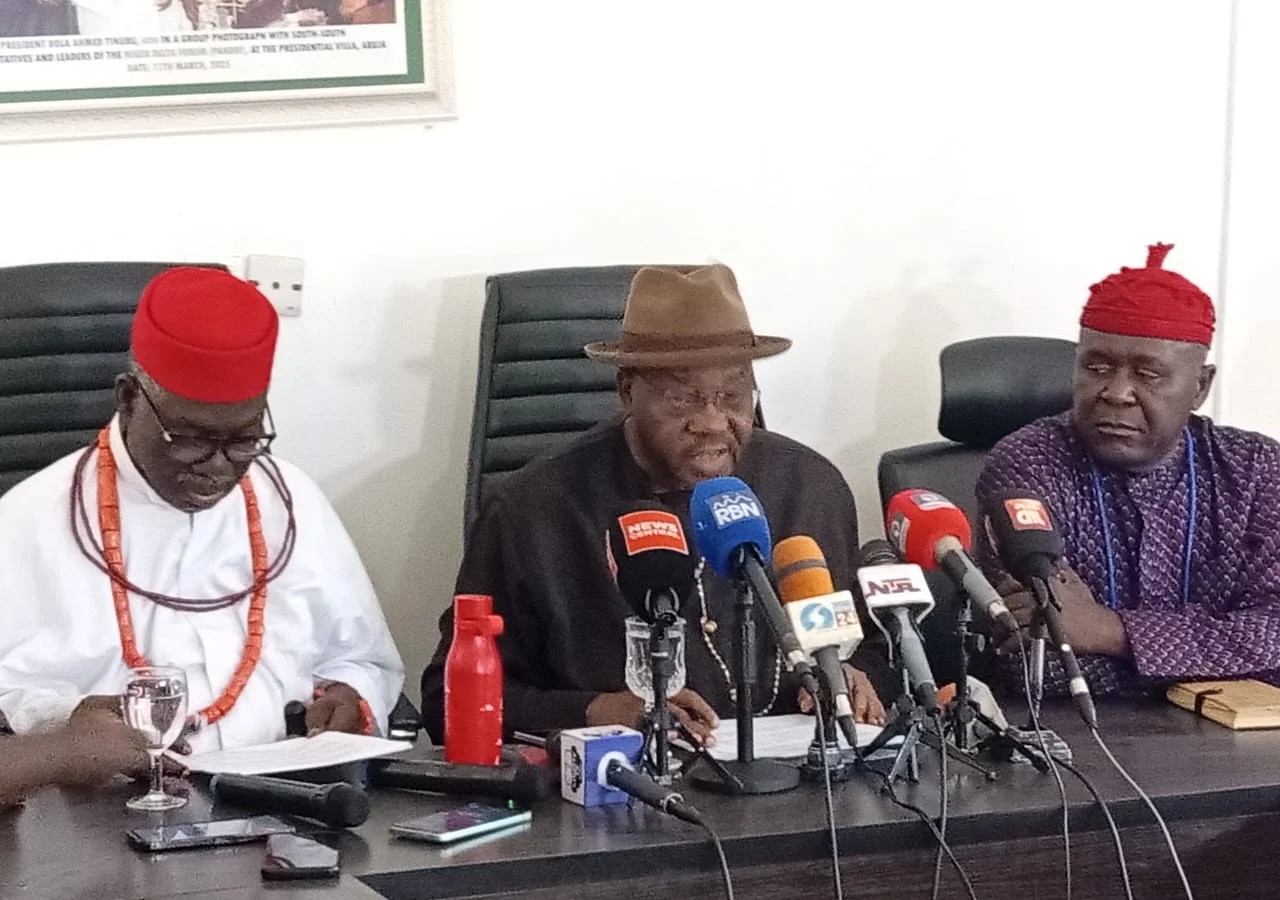
The forum made its position known at a news conference in Abuja on Friday, where its National Chairman, Amb. Godknows Igali, raised concerns about the funding provisions in Part IV, Section 19A of the proposed legislation.
Igali commended the Federal Government for the initiative, saying greater investment in science and technology was essential to Nigeria’s economic development.
“For the progress of this country to move beyond where we are, we must place a lot of focus on science and technology,” he said.
However, he described the proposed funding arrangement as “inappropriate, counterproductive and fundamentally flawed”.
Igali recalled that Nigeria marked 70 years of oil exploration in 2026, noting that the country had relied heavily on imported technology and equipment throughout much of the period.
He said the dependence had contributed to capital flight, as even basic equipment for the oil and gas industry was imported.
“In 2010, for a country that relies heavily for government revenue on oil and gas, the creation of the Nigerian Content Development Board was welcomed by all Nigerians to stop that capital flight and develop our indigenous technology,” he said.
According to him, the NCDMB was established to promote local capacity and reduce dependence on foreign expertise and equipment.
He said the board had recorded progress through its training, entrepreneurship and capacity-building programmes across the country.
“If you Google the internet, almost every month, they are training all manner of people from all over the country in different aspects of entrepreneurship,” he said.
Igali noted that the board’s interventions had extended beyond the oil and gas sector to agriculture, manufacturing and transportation.
