










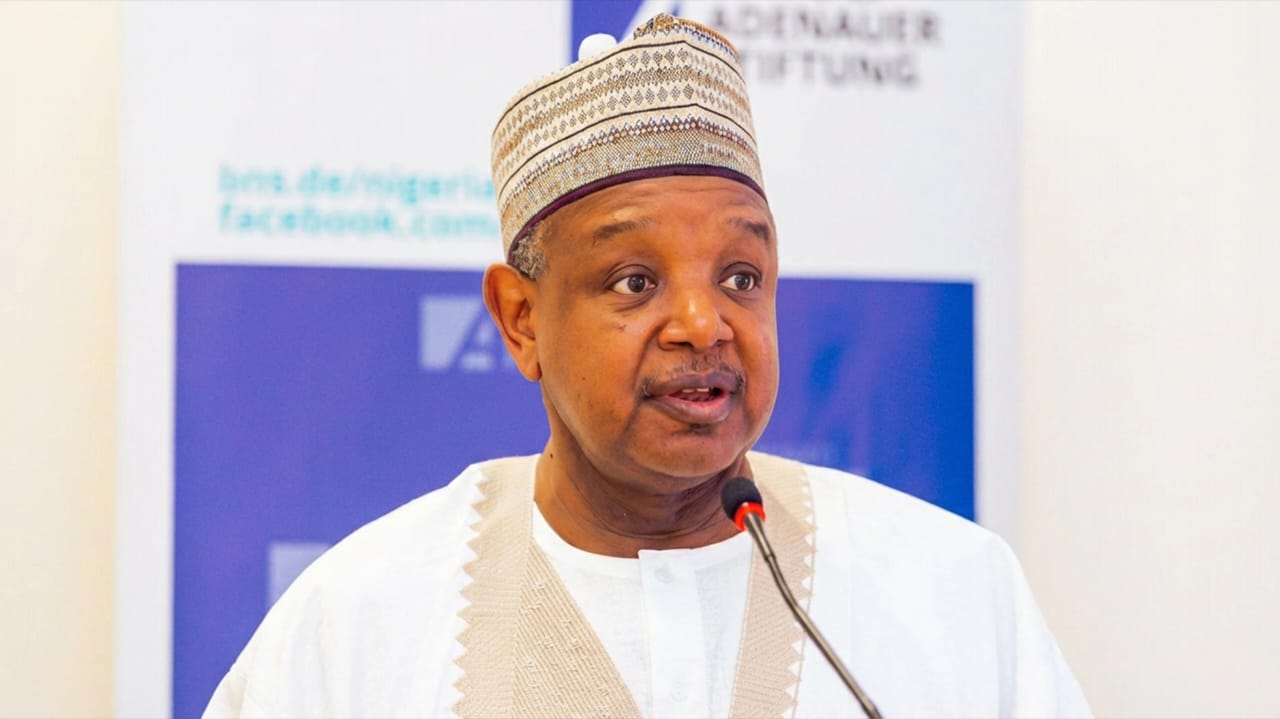
By Jamilu M. Magaji,
In politics, electoral victories may confer power, but it is service, inclusion and purposeful leadership that sustain relevance long after ballots are counted. As discussions around the 2027 political landscape gradually gather momentum, few public servants exemplify these qualities more than Senator Abubakar Atiku Bagudu, CON, whose enduring influence in Kebbi State and growing national stature have positioned him as a symbol of unity, development and a key driver of President Bola Ahmed Tinubu’s Renewed Hope Agenda.
Bagudu’s political journey has never been merely about holding office. It has been defined by building bridges, expanding opportunities for citizens and laying foundations for sustainable economic and social progress. This approach has earned him widespread respect in Kebbi State and beyond.
As Governor of Kebbi State from 2015 to 2023, Bagudu placed agriculture at the centre of his administration’s development strategy. Through policies that encouraged rice production and strengthened agricultural value chains, Kebbi emerged as a prominent player in Nigeria’s drive for food security, supported by strong public-private partnerships.
His administration also invested significantly in infrastructure, delivering roads, bridges, schools, healthcare facilities, erosion-control projects and rural development programmes that improved connectivity, stimulated commerce and enhanced living standards across the state.
Equally notable was his commitment to political inclusion and party cohesion. In a diverse political environment, Bagudu promoted consultation, accommodation and consensus-building among stakeholders within the All Progressives Congress (APC). His ability to foster harmony and manage competing interests contributed significantly to the stability and strength of the party in Kebbi State.
Since leaving office, he has continued to play a stabilising role within the APC despite not occupying any elective position or pursuing one. Through regular engagement with party leaders, elected officials and grassroots stakeholders, he has helped sustain internal cohesion and minimise divisions within the party. His strong relationship with Governor Nasir Idris Kauran Gwandu consistent support for the administration have further reinforced unity within the APC, ensuring continuity and collective focus on governance and development.
Another dimension of Bagudu’s enduring appeal is his continued investment in human capital development even after leaving office as governor. Over the past three years, he has supported various skills-acquisition and empowerment programmes targeting youths, women and vulnerable groups across Kebbi State. He has also sustained educational support initiatives, including scholarship opportunities for outstanding students to pursue higher studies within and outside Nigeria. Through these interventions, many beneficiaries have acquired practical skills, expanded their educational horizons and improved their economic prospects.
Remarkably, these efforts have continued despite his not seeking any elective position, a commitment that stands out in a political environment where public engagement is often dictated by electoral ambitions. His sustained investment in education, skills development and youth empowerment has further reinforced his reputation as a leader committed to building future generations and creating opportunities beyond the politics of the moment.
Beyond governance, Bagudu’s reputation as a bridge-builder and consensus-driven leader has continued to strengthen his standing within the APC, consolidating his position as one of the party’s most respected voices from the North-West and an important stakeholder in ongoing efforts to advance the Renewed Hope Agenda.
These achievements informed President Bola Ahmed Tinubu’s decision to appoint him Minister of Budget and Economic Planning in 2023, a role that has further showcased his administrative competence and strategic vision.
