








Top Headlines

When Thrones Still Matter: The Emir of Argungu and Pursuit of Peace

Published on September 1, 2026 | By Admin

Share with friends:

news
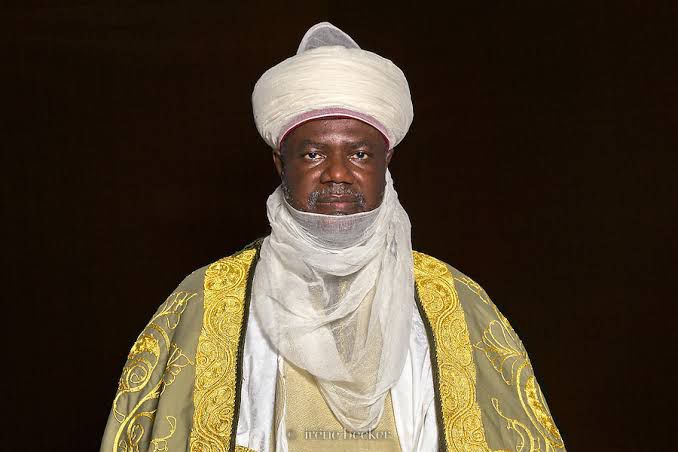
Emir of Argungu, Samaila Muhammad Mera


By Ibrahim Abubakar Jombali


In much of the modern world, traditional rulers are often treated as ceremonial relics—custodians of culture whose influence survives largely through pageantry and protocol. Yet in northern Nigeria, where communal tensions, social fragmentation and governance challenges continue to test the resilience of institutions, the relevance of traditional authority remains difficult to dismiss.


A recent engagement with the Emir of Argungu, His Royal Highness Alhaji Samaila Muhammad Mera, CON, offered a timely reminder of why these institutions still matter.


The Emir, who serves as Vice Chairman of the Kebbi State Council of Chiefs and Chairman of the Sultan Foundation, articulated a view of leadership that extends far beyond the palace walls. His argument was straightforward: peace is not merely the absence of conflict, but the product of constant engagement, mediation, dialogue and trust-building among communities.


That philosophy has informed initiatives under his leadership, including peacebuilding workshops, community engagements, symposia and interventions aimed at strengthening social cohesion. Such efforts may attract fewer headlines than political campaigns or infrastructure projects, yet they address some of the deeper fault lines that determine whether societies remain stable or descend into discord.


The Emir’s message carries a broader lesson. Governments possess the authority to enact laws and deploy resources, but social harmony cannot simply be legislated into existence. It depends on institutions that command legitimacy at the grassroots, understand local realities and possess the moral authority to mediate disputes before they escalate. In that regard, traditional rulers continue to occupy a unique space in Nigeria’s governance architecture.


Significantly, the Emir commended Kebbi State Governor, Dr Nasir Idris, for recognising this reality. His acknowledgement reflected an understanding that development and stability are not competing objectives; they are mutually reinforcing. Roads, schools and hospitals flourish best where peace endures, while lasting peace often requires partnerships that extend beyond formal government structures.


He was equally appreciative of President Bola Ahmed Tinubu’s efforts toward national cohesion and development, underscoring the belief that unity remains one of Nigeria’s most valuable—and most fragile—assets.


What made the encounter memorable was not simply the exchange of courtesies, but the opportunity to engage with a leader whose perspective has been shaped by years of stewardship, mediation and service. In an era often dominated by loud rhetoric and short-term calculations, such voices provide a valuable counterpoint.


The lesson from Argungu is neither complicated nor new: peace is a shared enterprise. It requires effective government, responsible citizenship and institutions capable of bridging divides. Where these forces work in concert, stability becomes achievable and development more sustainable.


Nigeria’s future will ultimately be shaped not only by those who govern from elected office, but also by those who continue to command respect, nurture dialogue and safeguard communal harmony. The Emir of Argungu stands among that increasingly important class of leaders.


In a country searching for cohesion amid diversity, that is a role worth celebrating—and preserving.

Photo: Author, Ibrahim A Jombali

Ibrahim Jombali is the Special Adviser to the Kebbi State Governor on Public Enlightenment and Orientation


Enjoyed this article? Share it with friends!