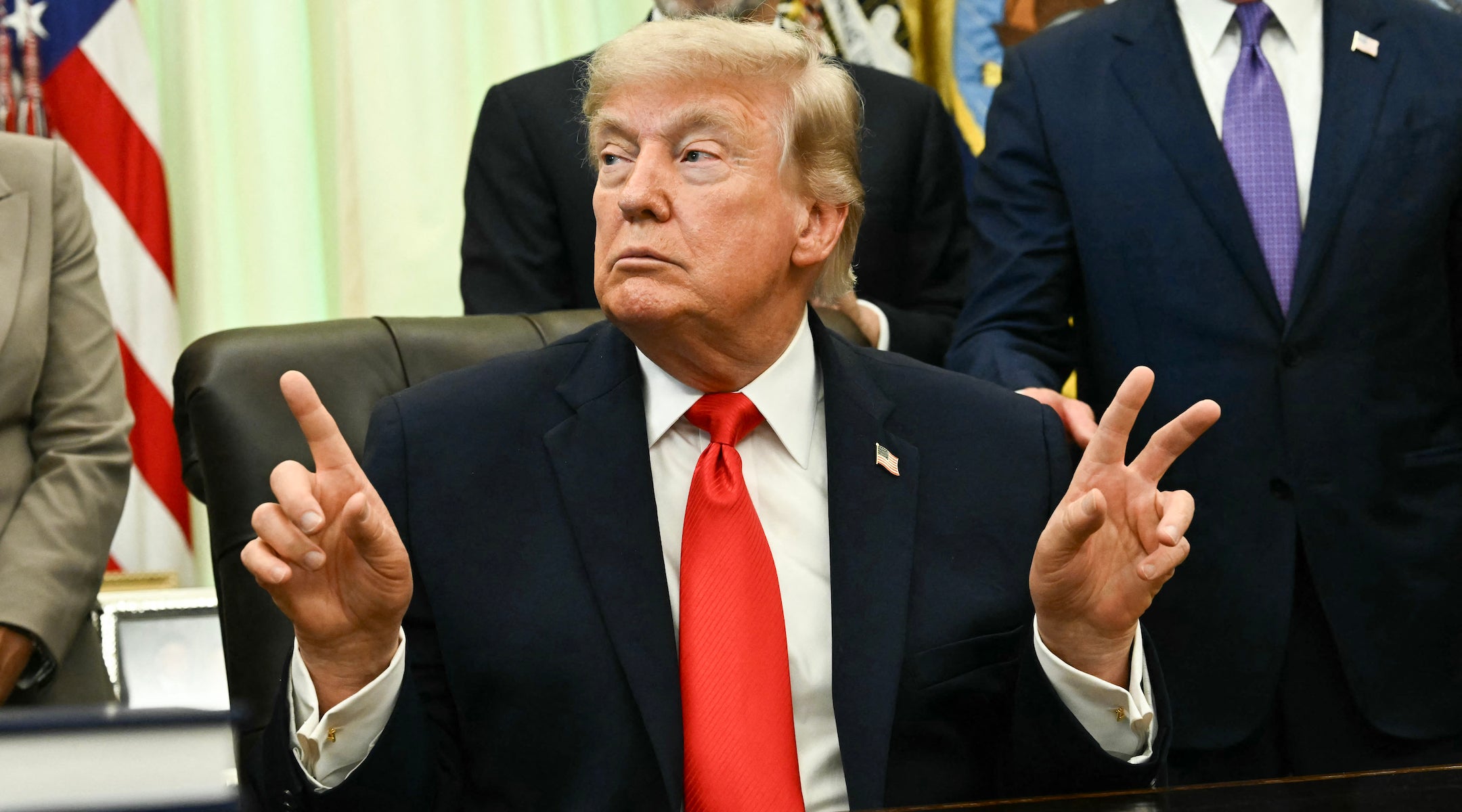
The United States has imposed a 12.5 per cent tariff on imports from Nigeria over what it described as the country's failure to establish an effective prohibition on goods produced with forced labour.
The Office of the United States Trade Representative (USTR) announced the measure in a statement issued on Thursday following investigations under Section 301 of the U.S. Trade Act involving 60 of America's largest trading partners.
The USTR said Nigeria would attract the 12.5 per cent tariff because it does not have what the United States considers an effective prohibition on the importation of goods produced through forced labour.
It said the measure was aimed at encouraging trading partners to strengthen efforts to prevent forced labour from entering global supply chains.
According to the agency, countries that have already implemented, or formally committed to implementing and enforcing, such prohibitions through reciprocal trade agreements would attract a lower tariff rate of 10 per cent.
The countries include Argentina, Bangladesh, Cambodia, Canada, Ecuador, El Salvador, Guatemala, Honduras, India, Indonesia, Jordan, Malaysia, Mexico, Pakistan, Sri Lanka, Trinidad and Tobago, and the United Kingdom.
The USTR said the investigations, launched in May 2026, involved extensive consultations with governments and stakeholders, receiving more than 1,600 written submissions and hearing testimony from over 100 witnesses at public hearings.
It added that consultations were also held with more than 45 governments before the final decision was reached.
A Federal Register notice issued by the USTR confirmed that the 12.5 per cent tariff would apply to products from Nigeria, except those covered by exemptions contained in Annex I and Annex II, Part A, of the notice.
The notice said the tariff rate, scope and exemptions were considered appropriate to eliminate the trade practices identified during the investigation.
The latest action follows President Donald Trump's invocation of Section 122 of the Trade Act of 1974 to impose temporary universal tariffs after the U.S. Supreme Court blocked his administration's broader tariff programme introduced under the International Emergency Economic Powers Act.
U.S. Trade Representative Jamieson Greer said the latest tariffs were intended to encourage governments to adopt stronger measures against forced labour.
“President Trump recognises that decades of moral suasion have not eradicated forced labour from global supply chains.
“The United States has had a forced labour import ban for nearly a century. It's well past time for our trading partners to do the same,” Greer said.
The USTR said exemptions would apply to certain raw materials, products whose restriction could create supply shortages or disrupt the U.S. economy, goods unavailable in sufficient quantities from domestic or alternative foreign sources, and products covered under specified exemption lists.