










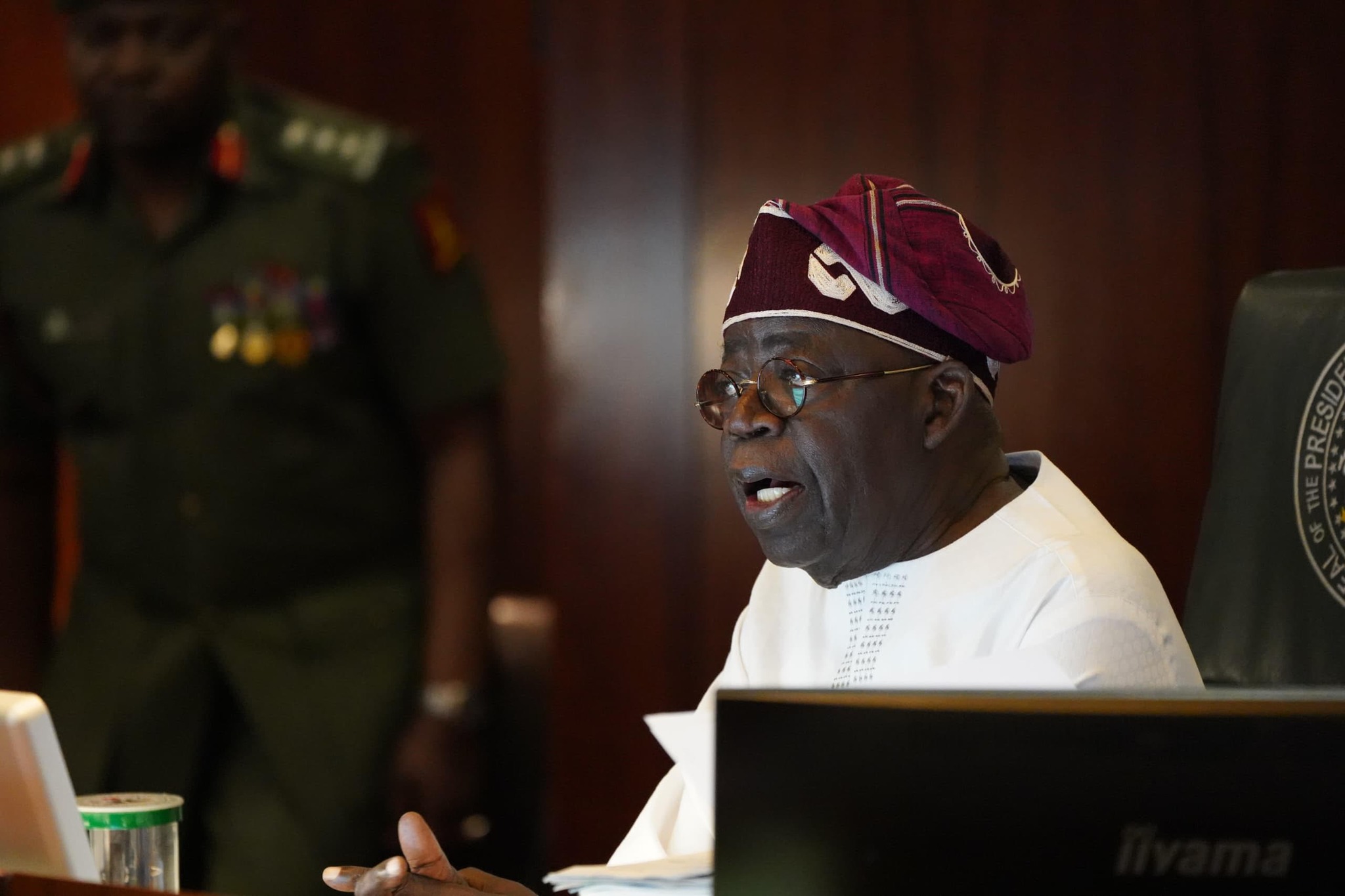
President Bola Tinubu has signed the Presidential Executive Order on Virtual Assets Coordination, 2026, establishing a new framework to harmonise the regulation of Nigeria’s virtual assets ecosystem, strengthen inter-agency collaboration, and protect citizens from fraud while promoting responsible innovation in the digital economy.
The State House announced on Friday that the executive order, signed pursuant to Section 5 of the 1999 Constitution (as amended), takes immediate effect.
According to the Presidency, the order seeks to address regulatory gaps that have emerged as virtual assets increasingly cut across the traditional boundaries of currencies, securities, commodities and payment systems.
It said the fragmented regulatory environment had exposed the country to risks such as money laundering, terrorism financing, cybercrime, data privacy breaches, fraud and revenue losses, while enabling unregistered operators to exploit unsuspecting Nigerians.
To address these challenges, the President approved the establishment of a Virtual Asset Council, which will be chaired by the Central Bank of Nigeria, CBN, with the Nigeria Revenue Service, NRS, and the Securities and Exchange Commission, SEC, serving as vice-chairmen.
Other members of the council include the Nigerian Financial Intelligence Unit, NFIU, and the Office of the National Security Adviser, ONSA.
The Presidency said the council would provide policy direction, improve coordination among the participating agencies and work with the Attorney-General of the Federation to develop a harmonised legal and institutional framework that aligns the sector with Nigeria’s economic, security and social objectives.
The order also creates a Virtual Asset Office, which will serve as the council’s operational arm, with its secretariat domiciled at the CBN.
According to the Presidency, the office will coordinate information sharing, applications and reporting among the participating agencies through an integrated supervisory technology platform that allows collaboration while preserving each institution’s ownership and control of its data.
The government clarified that the executive order does not establish a new regulator or strip existing agencies of their statutory responsibilities.
