










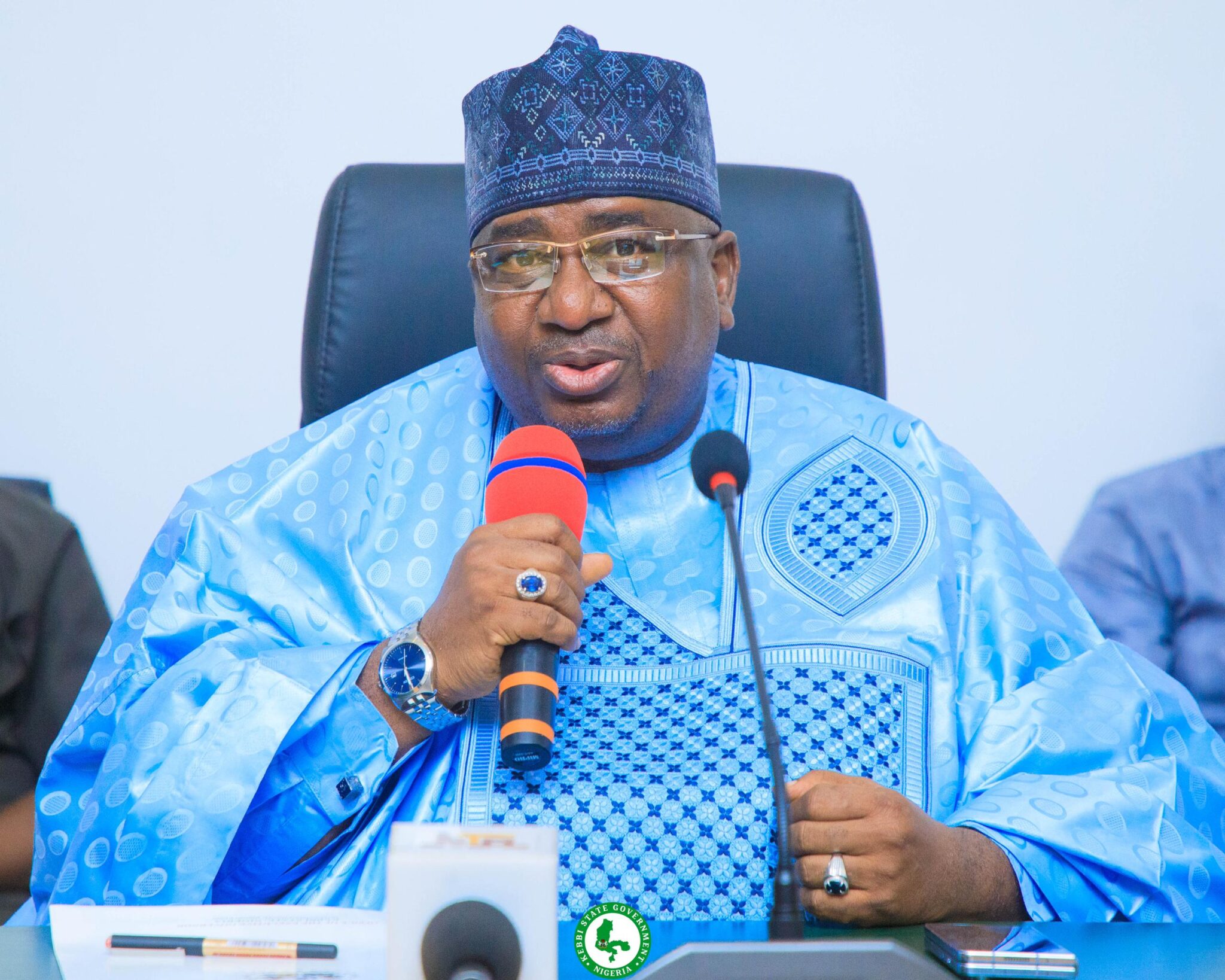
By Jamilu M Magaji,
Democracy offers leaders a unique window to translate vision into tangible reality, and history ultimately judges them by the lasting impact of their stewardship. Three years after assuming office as the Executive Governor of Kebbi State, Comrade Dr. Nasir Idris, Kauran Gwandu, has firmly etched his name into the annals of governance through a stellar record of public service, sustainable development, and transformational leadership.
Since taking the oath of office on May 29, 2023, Governor Idris has pursued a rigorous governance agenda anchored on citizens’ welfare, infrastructural renewal, human capital development, economic empowerment, and institutional strengthening. Across Kebbi State, the dividends of these interventions are visible: modern road networks, revitalized schools, upgraded healthcare facilities, robust agricultural support programmes, targeted youth empowerment initiatives, and strategic investments designed to uplift the quality of life for all residents.
This assessment draws on Kebbi State Government official statements, ministry records and reports published by national media organisations, including Daily Trust, Channels Television, Vanguard and The Punch.
As the administration marks its third anniversary, it is fitting to reflect on the key milestones achieved, the challenges overcome, and the emerging legacy of a purposeful leadership deeply committed to progress.
Infrastructure: Laying the Foundation for Economic Growth
One of the most defining achievements of the administration is its aggressive infrastructure drive. The government has embarked on extensive road construction, rehabilitation, and urban renewal projects aimed at improving regional connectivity and stimulating local commerce.
In 2024, the administration unveiled ambitious plans to construct and upgrade 300 kilometres of rural roads under the Rural Access and Agricultural Marketing Project (RAAMP). This initiative is explicitly designed to ease transportation bottlenecks, improve market access for rural dwellers, and stimulate rural economies.
Major urban projects have also taken centre stage, including the dualisation of the Birnin Kebbi–Ambursa Road, rehabilitation of township roads and the construction of bridges and drainage systems. These projects have been highlighted in official government updates and media reports tracking the administration's infrastructure drive.
A signature milestone of this infrastructure push is the completion of the ultra-modern Bola Tinubu Secretariat Complex at Gwadangaji, which provides a highly conducive working environment for the state's civil servants. The administration also revitalised the Kebbi State Transport Authority through the procurement of new buses and the establishment of a modern motor park in Birnin Kebbi, measures aimed at improving transportation and commercial activities across the state.
According to data from the Kebbi State Ministry of Works (2024), over ₦79 billion was expended on vital capital projects in 2024 alone, cutting across infrastructure, education, agriculture, and healthcare.
Education: Rebuilding the Future
Drawing from his robust background in education and labour leadership, Governor Idris has consistently prioritized the educational sector as an indispensable tool for social transformation. His administration has systematically renovated and constructed schools, upgraded learning facilities, and strengthened educational standards across the state. Numerous primary, secondary, and Islamiyya schools have been fully rehabilitated and equipped to enhance both teaching and learning outcomes.
To address critical manpower deficits, the administration recruited over 2,000 qualified teachers between 2023 and 2024. Simultaneously, the government has sustained the prompt payment of WAEC, NECO, NABTEB, and NBAIS examination fees, ensuring that financial constraints do not prevent eligible students from sitting for key examinations, according to government records.
The ongoing construction of mega schools across major emirates, alongside the historic extension of the teachers’ retirement age, underscores the administration’s long-term investment in the future. This priority status is mirrored in the substantial allocations dedicated to the sector in the 2024 and 2025 budgets (Kebbi State Government, 2023–2026).
Healthcare: Expanding Access to Quality Services
Healthcare delivery has received substantial, systematic attention under the current administration. Secondary hospitals and primary healthcare centres have undergone extensive upgrades, backed by heavy investments in modern medical equipment and improved service delivery metrics.
To strengthen the healthcare workforce, over 2,000 health professionals—including doctors, nurses, and allied health workers—have been recruited into the state service. Beyond infrastructural face-lifts, thousands of vulnerable citizens have been successfully enrolled in state-sponsored health insurance schemes, effectively breaking down financial barriers to affordable care and driving stronger public health outcomes in historically underserved communities.
Agricultural Transformation: Strengthening the Economic Backbone

