









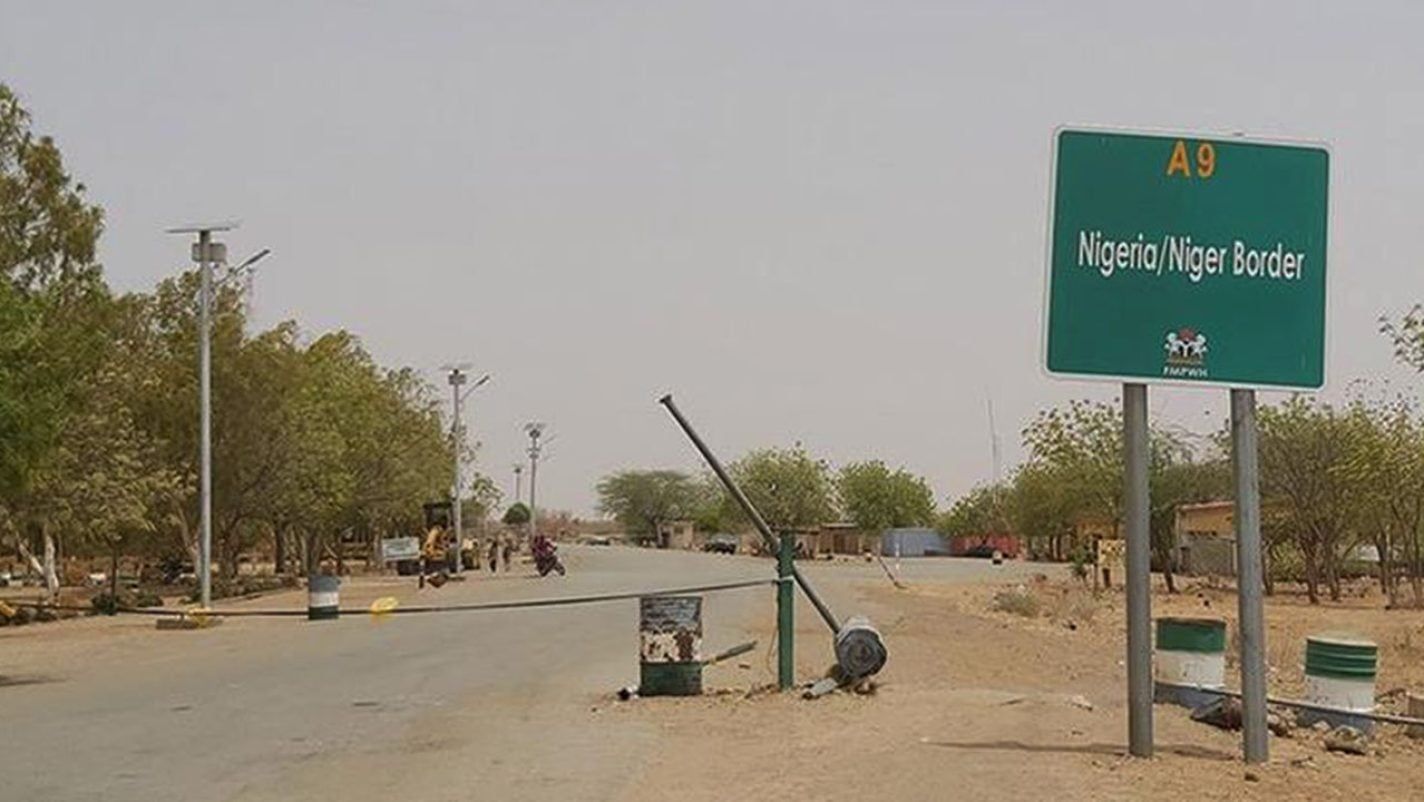
Terrorist attacks across border communities linking Nigeria, Benin Republic and Niger Republic rose by 262 per cent in 2025, according to a new report by the Armed Conflict Location and Event Data Project (ACLED).
The report, released on Thursday, said the spike was driven by intensified operations of Jama’at Nusrat al-Islam wal-Muslimin (JNIM), an al-Qaeda-affiliated group, and the Islamic State Sahel Province (ISSP).
ACLED said that when data from 2024 and 2025 were compared, fatalities linked to the attacks increased by 262 per cent in the tri-border area.
It added that parts of Benin and Niger Republic, alongside Nigeria’s Sokoto, Kebbi, Niger and Kwara states, accounted for an 86 per cent rise in violent incidents.
Héni Nsaibia, ACLED’s Senior Analyst for West Africa, said the nature of the threat had changed as the groups expanded their reach.
“The threats have taken on new dimensions as militants expand their footprint and openly assert their presence in the borderlands,” Nsaibia said.
The report noted that the groups were now using strategic communication to compete with each other and demonstrate their capacity to control territory and influence communities.
Between June and November 2025, JNIM publicly claimed attacks in Basso, Wara, Nuku and Karunji along the Benin–Nigeria border, marking some of its first openly acknowledged operations inside Nigeria.
Similarly, ACLED said ISSP began officially claiming attacks in December 2025 and February 2026 in Goubey and Birni N’Konni, located along the Niger–Nigeria border, areas previously linked to Lakurawa militant activity.
According to the report, weak border control and limited state presence have worsened insecurity following the withdrawal of some Sahelian states from ECOWAS.
“Limited state presence and weak border control persist after several Sahelian states withdrew from ECOWAS, leading to weakened regional cooperation and limited cross-border coordination,” the report stated.
ACLED also referenced recent U.S. air strikes carried out in December against Islamic State enclaves in Sokoto State, with the approval of the Nigerian government.
The report said the strikes were aimed at preventing ISSP from expanding towards coastal West Africa while maintaining U.S. strategic influence in the region.
“A more immediate trigger for the strikes may have been ISSP’s October kidnapping of U.S. citizen and missionary pilot, Kevin Rideout, in Niamey,” ACLED said.
It added that military cooperation between Nigeria and the United States remains key to containing jihadist groups operating across the Sahel and Nigeria’s border regions.

