










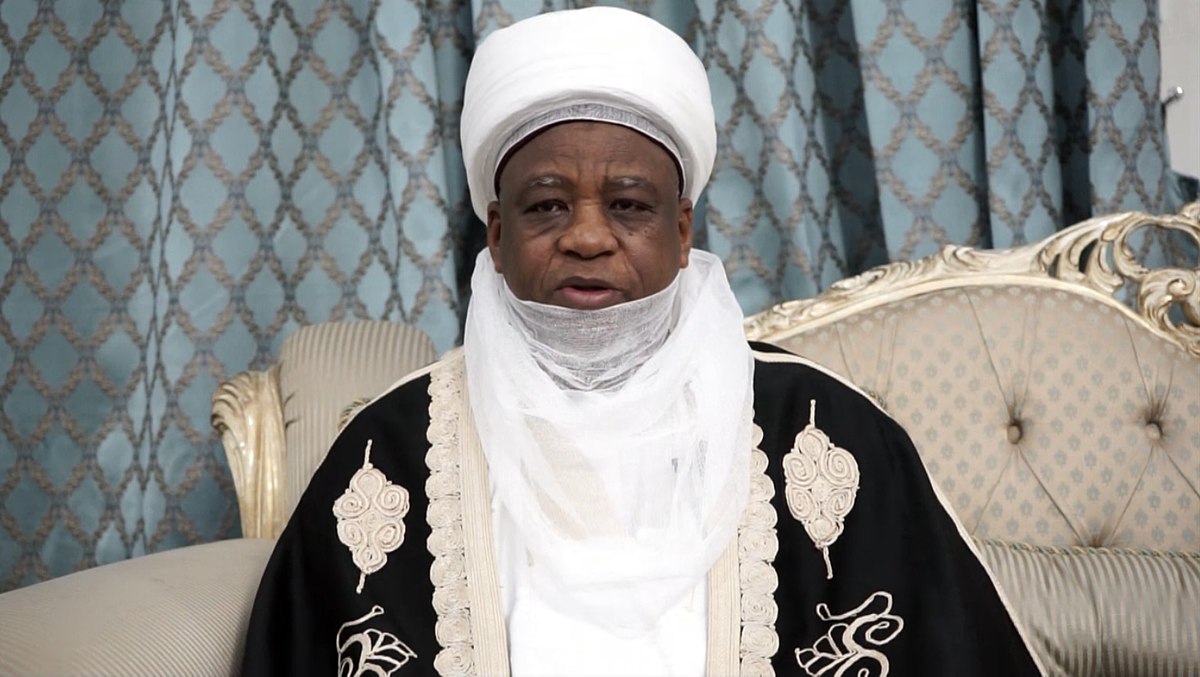
The Arewa Youth Concern Forum has urged the Middle Belt Forum (MBF) to exercise fairness and respect for Nigeria’s traditional institutions in its opposition to the proposed permanent co-chairmanship of the Sultan of Sokoto and the Ooni of Ife in the National Council for Traditional Rulers of Nigeria.
The forum also challenged the MBF to clarify its mandate to speak on behalf of traditional rulers across the Middle Belt, particularly on issues concerning the proposed leadership structure of the national council.
The President of the forum, Jamilu Sani Rarah, made the call in a statement issued in Sokoto, acknowledging the MBF’s right to express its views on the proposed legislation but questioning whether traditional rulers across the region had formally endorsed its position.
The forum challenged the MBF to identify the traditional rulers it had consulted and make public any resolutions, meeting records or communiqués supporting its opposition to the proposed arrangement.
It was reacting to reports that the MBF had threatened to mobilise traditional rulers and ethnic groups across the Middle Belt to boycott the proposed council if the disputed provision was retained.
The group argued that traditional rulers had independent institutions, customs and responsibilities, stressing that their positions should not be attributed to any organisation without evidence of their consent.
It also cautioned against portraying the proposed permanent co-chairmanship as a personal ambition of the Sultan of Sokoto, insisting that a legislative proposal should not automatically be interpreted as a demand by the traditional ruler.
According to the statement, the debate should focus on the lawmakers responsible for introducing the provision, its actual wording and the appropriate legislative process.
The forum further argued that historical precedence alone should not determine leadership of the proposed national council, urging stakeholders to consider other options, including official recognition, consensus, rotation or election among qualified traditional rulers.
