










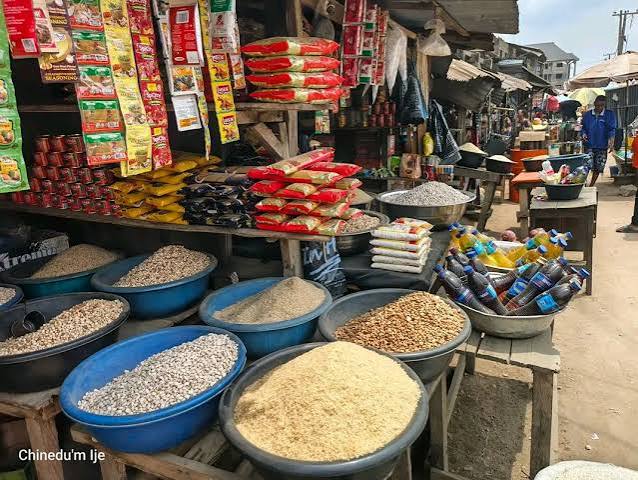
Rising food prices and the high cost of nutritious diets are worsening food insecurity in Nigeria, according to two reports by Orodata Nigeria.
The reports, titled “Food Insecurity in Nigeria” and “The Price of Eating Well in Nigeria,” were released on Friday in Lagos to mark World Food Day.
The reports combine official household survey data with visualisations to examine how food prices, limited incomes and regional disparities affect access to adequate and nutritious food.
According to the National Bureau of Statistics General Household Survey-Panel Wave 5 (2023/24), 37 per cent of Nigerian households experienced food shortages in the preceding 12 months.
The report showed that the North East recorded the highest rate, with 53 per cent of households experiencing food shortages, compared with 25.7 per cent in the North Central.
Urban households recorded a food-shortage rate of 37.4 per cent, while rural households recorded 36.8 per cent, indicating that the challenge affects both communities.
The survey also revealed that 65.8 per cent of households could not afford healthy, nutritious or preferred foods in the 30 days preceding the survey.
It further showed that 63.8 per cent of households ate only a few types of food because of financial constraints, while 62.4 per cent worried about having insufficient food.
Orodata’s report on the cost of eating well examined how the affordability of nutritious foods influences household food choices and nutritional outcomes.
The organisation said the findings showed that many households faced food shortages and struggled to afford diverse and healthy diets.
