










The Federal Government has announced plans to procure 25 additional linear accelerators between 2027 and 2029 to expand cancer treatment capacity and strengthen cancer control across the country.
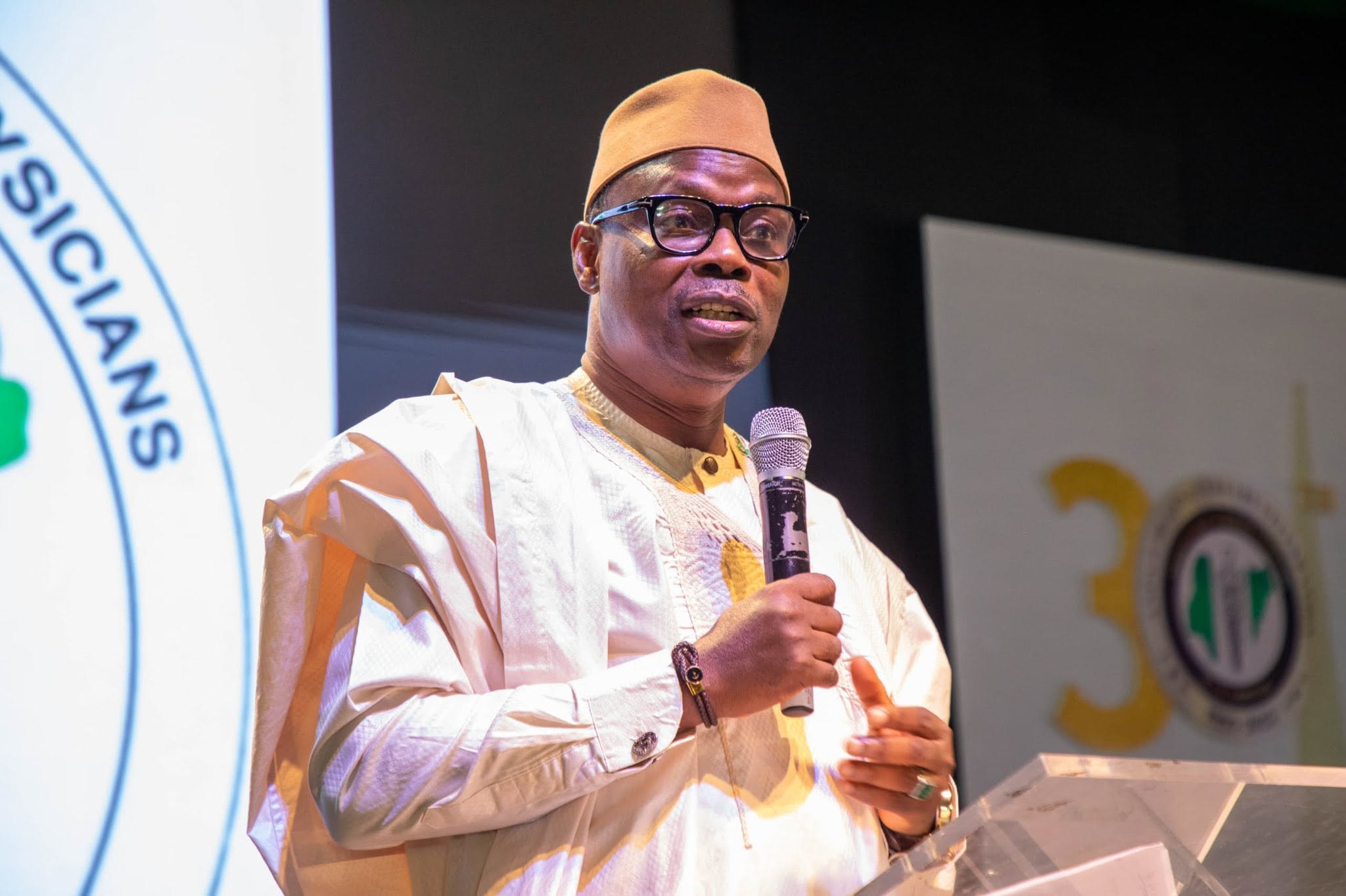
Minister of State for Health and Social Welfare, Dr Iziaq Salako, said this on Tuesday in Abuja at the National Cancer Control Plan (NCCP) Technical Working Group and Global Advisory Council meeting.
Salako said the government was implementing a comprehensive cancer-control strategy focused on prevention, early detection, treatment, research and partnerships under the NCCP 2026–2030 framework.
“Recently, President Bola Tinubu approved that between 2027 and 2029, the country should procure an additional 25 linear accelerators. We are executing a three-year plan to achieve this,” he said.
He said that Nigeria’s cancer burden remained significant because many patients presented late for treatment, while shortages of infrastructure, skilled personnel and funding continued to hinder effective care.
According to him, the NCCP Technical Working Group was established to drive implementation of the 2026–2030 plan, while the Global Advisory Council would provide expertise and international support.
Salako said prevention remained central to the government’s strategy, noting that President Tinubu approved the inclusion of Human Papillomavirus (HPV) vaccination in Nigeria’s routine immunisation schedule.
“The President particularly continues to emphasise prioritising prevention. That is why one of the very first things he did was to approve that routinely, HPV vaccination should be part of our immunisation schedule,” he said.
He added that efforts were also underway to strengthen hepatitis vaccination, expand cervical cancer screening and integrate screening services into primary healthcare facilities nationwide.
“Prevention is better and cheaper than cure,” Salako said.
The minister said that construction of six Cancer Centres of Excellence had commenced, with three already completed and work progressing on the remaining centres.
Salako also inaugurated the Blood Cancer Consortium following the donation of equipment and other resources aimed at strengthening pathology laboratories across the country.
The President of the Nigerian Cancer Society, Prof. Abidemi Omonisi, commended the government for promoting a coordinated approach to cancer prevention and treatment.
Omonisi identified fragmented interventions among stakeholders as a major challenge, noting that poor coordination had often resulted in duplication of efforts and limited impact.
He said the NCCP Technical Working Group was addressing the challenge by bringing together government agencies, researchers, clinicians, development partners and cancer organisations under a unified agenda.
According to him, stronger international partnerships and diaspora engagement could enhance research, technology transfer, capacity building and access to advanced cancer-care services.
