










The Federal government says it is targeting the creation of about 10,000 jobs from each 500-cattle-per-day capacity abattoir established through public-private partnerships across the country.
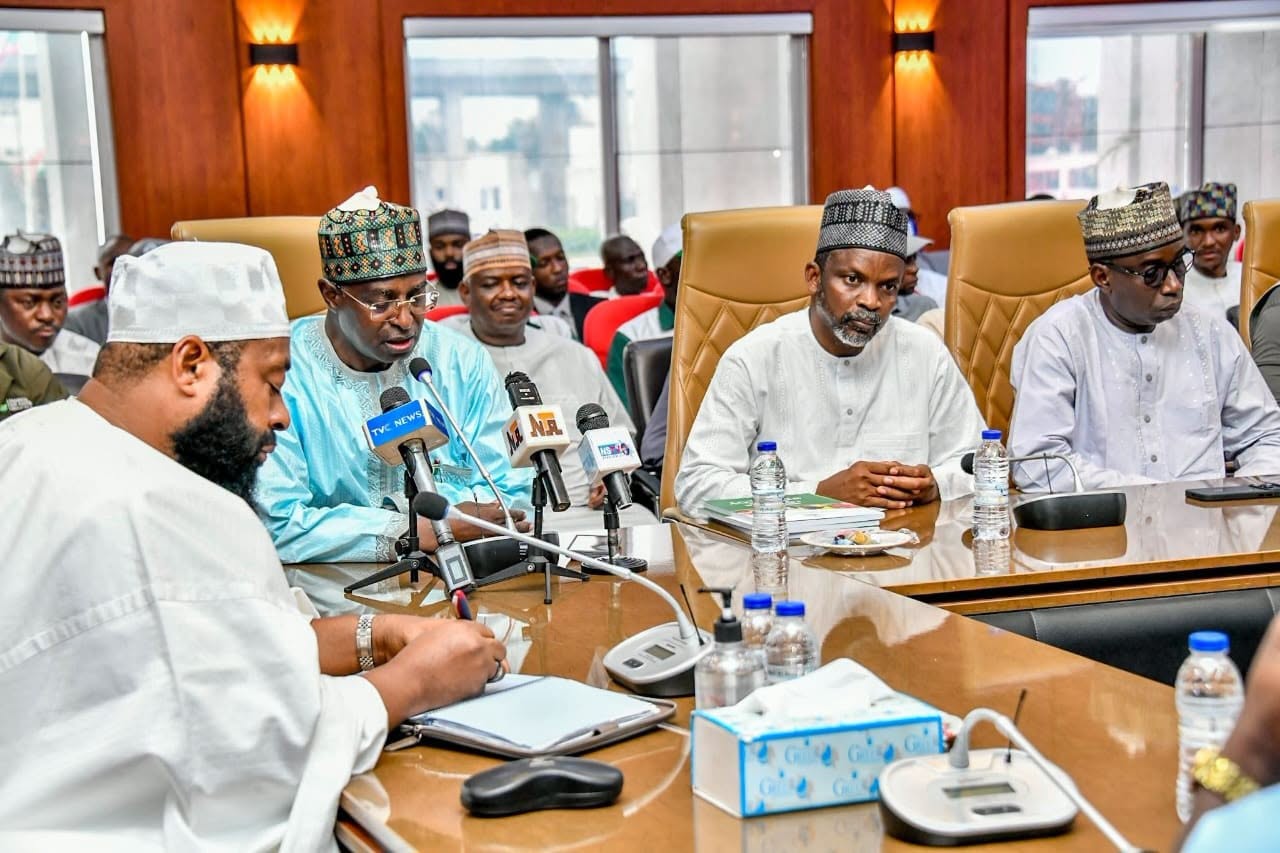
Alhaji Idi Maiha, Minister for Livestock Development, disclosed this when he paid a courtesy visit to Gov. Umaru Bago of Niger while on a two-day working visit to assess L-PRES projects in Minna on Friday.
He said the initiative was part of measures to transform the livestock sector from transporting live animals to processing meat locally.
Maiha urged state governments to partner with private sector operators to establish and operationalise modern abattoirs in their respective capitals.
According to him, such facilities will have a catalytic effect on backward integration, creating opportunities for young people in cattle fattening, pasture cultivation, feed production, animal health services and transportation.
He said Nigeria had continued to transport live animals from the North to the South, resulting in loss of animal weight, accidents, waste and limited value addition.
“We need to pivot from the transportation of live animals into the transportation of processed meat, under cold environment, and that calls for abattoir operations,” he said.
The minister said the livestock sector had significant capacity to absorb unemployed youths because activities such as egg production, poultry, milk production and goat processing could generate income throughout the year.
The minister identified feed and fodder, breed improvement and animal health management as the ministry’s three major priorities.
He said the ministry would work with state governments to encourage the establishment of livestock development centres where pastoralists could settle and develop various livestock value chains.
According to him, nomadism is not a cultural practice but a survival mechanism through which herders move animals from areas of scarcity to areas of abundance.
He said improved breeding would enable Nigeria to increase milk production, noting that the country was spending about 1.5 billion dollars annually on the importation of dairy products despite having about 55 million cattle.
The minister also called for collaboration among the Federal Government, state governments and private sector to improve livestock productivity and reduce dependence on imported dairy products.
