










The Federal Government has called for a shift from reactive measures to proactive early-warning drought management strategies to curb accelerating land degradation and desertification in the country.
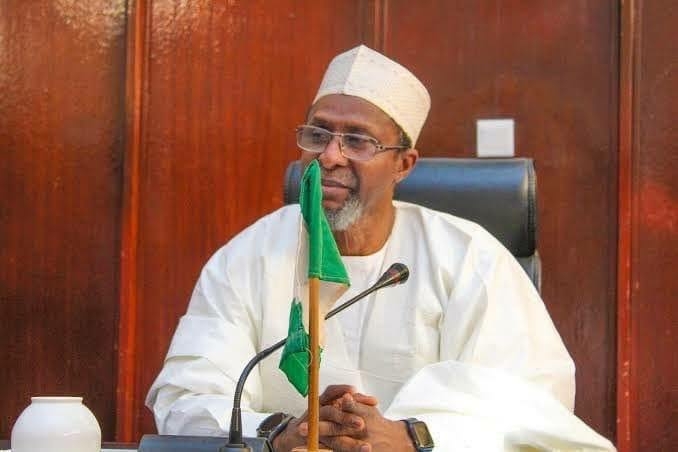
The Minister of Environment, Malam Balarabe Lawal, made the call in an interview with the News Agency of Nigeria (NAN) on Monday following COP17 in Ulaanbaatar, Mongolia.
Lawal said that Nigeria remained committed to achieving its land degradation neutrality targets and advancing the objectives of the Great Green Wall initiative.
He said that land degradation, desertification and drought were affecting food security, livelihoods, water resources, migration and stability, with about 50 per cent of Nigeria’s land degraded.
“Nigeria needs stronger international cooperation on climate finance, water security, land restoration, food systems and soil health to address the challenges,” he said.
Lawal said that countries must move from responding to drought after it occurs to anticipating and preparing for its impacts through effective early warning mechanisms.
He said that Africa remained at the frontline of land degradation, desertification and drought, stressing the need to translate international commitments into measurable actions.
The minister said that COP17’s success should be measured by tangible changes delivered on the ground, rather than the number of decisions adopted by participants.
He urged countries to move from words to action, commitments to delivery and ambition to measurable results that would improve people’s lives and livelihoods.
Lawal said that Nigeria supported the International Year of Rangelands and Pastoralists 2026 to give greater recognition to pastoral communities and strengthen their resilience.
