








Top Headlines

Nigerian govt moves to cut methane emissions from waste — Minister

Published on August 21, 2026 | By Abdulhamid Abubakar

Share with friends:

news
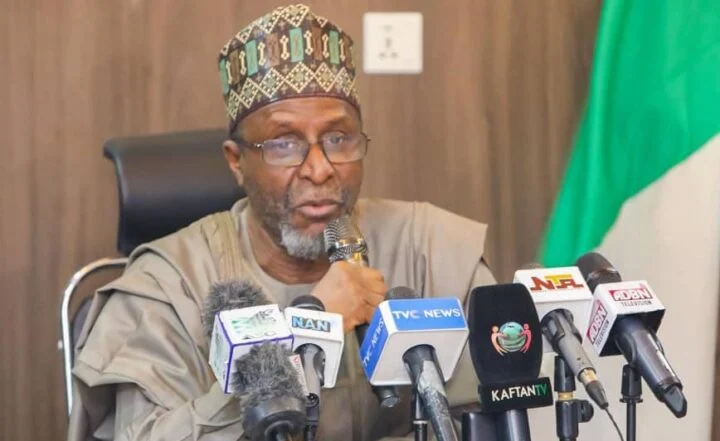
Minister of Environment, Malam Balarabe Lawal


The Federal Government is implementing policies to reduce methane emissions from dumpsites and promote sustainable waste management across Nigeria.


The Minister of Environment, Malam Balarabe Lawal, disclosed this on Friday in Abuja at a stakeholder workshop on the Multi-Solving Action for Methane Reduction in Nigeria (MAMRN) Project.


Lawal, represented by the Director of Pollution Control and Environmental Health in the ministry, Mrs Omotunde Adeola, described methane as a potent greenhouse gas emitted from dumpsites.


He said the ministry was promoting its “Waste-to-Wealth” mandate by encouraging Nigerians to adopt responsible waste management and turn waste into useful economic resources.


The minister also warned that indiscriminate waste disposal contributed to flooding, urging residents to stop dumping refuse in drainage channels.


The Director-General of the National Council on Climate Change (NCCC), Mrs Omotenioye Majekodunmi, said the MAMRN project was designed to strengthen methane mitigation in Nigeria’s waste sector.


Majekodunmi, represented by the council’s Director of Energy, Transportation and Infrastructure, Mr Michael Ivenso, said the project would support the development of a National Action Plan for Methane Reduction in the Waste Sector.


She said effective methane reduction would deliver environmental, public health and economic benefits, including cleaner communities, green jobs, resource efficiency and improved quality of life.


According to her, better waste management would also strengthen Nigeria’s circular economy through resource recovery, reduced pollution and new employment opportunities.


She said methane reduction was critical to Nigeria’s climate commitments under the Paris Agreement, noting that open dumping and poor waste management were significant sources of emissions.


The NCCC boss assured stakeholders that the council would provide technical guidance and coordinate efforts toward translating the workshop’s outcomes into measurable actions.


Similarly, the Executive Director of Sustainable Research and Action for Environmental Development (SRADeV), Dr Leslie Adogame, called for improved solid waste management to curb methane emissions.


“Waste management has to be properly carried out to reduce methane emissions in the environment,” he said.


Adogame said an action plan was necessary to ensure effective waste management, adding that SRADeV remained committed to the global target of reducing methane emissions by 30 per cent.


Enjoyed this article? Share it with friends!