










The Universal Basic Education Commission (UBEC) says the $552.18 million World Bank-supported HOPE-EDU programme targets 29 million children, 500,000 teachers and 65,000 public schools nationwide.
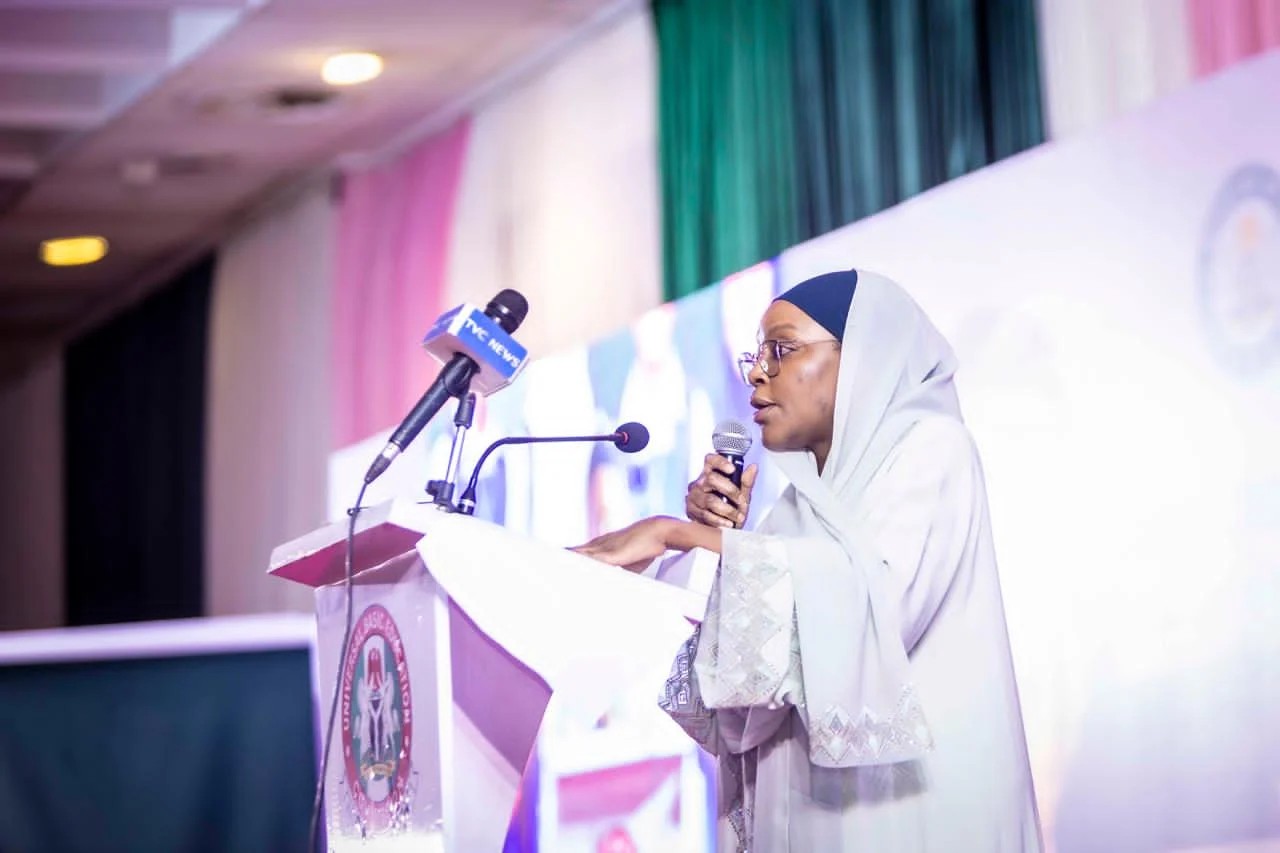
The Executive Secretary of UBEC, Dr Aisha Garba, disclosed this at a two-day meeting with chairmen of State Universal Basic Education Boards (SUBEBs) on implementation readiness for the programme on Wednesday in Abuja.
Garba said the programme would also cover 10,000 non-formal learning centres and support the construction of 13,000 classrooms to improve access to quality basic education.
She said the Human Capital Opportunities for Prosperity and Equity (HOPE-EDU) programme became effective on Feb. 27, 2026, and had entered its implementation phase.
According to her, the programme adopts a results-based financing approach, with funds released to states based on their achievement of agreed targets.
“HOPE-EDU is designed to improve learning outcomes, increase equitable access to basic education and strengthen governance and accountability in the education sector,” she said.
Garba said the programme had three major components: improving the quality of basic education, expanding access and strengthening education systems.
She said $262.2 million was allocated to improving education quality, $123.9 million to expand access and $133.6 million to strengthen key systems.
She added that the first component was open to 33 states, with participation potentially extending to all 36 states and the Federal Capital Territory (FCT), subject to meeting the requirements.
According to her, the second component targets 15 states with the highest populations of out-of-school children that also meet other eligibility conditions, while the third is open to all states and the FCT.
