










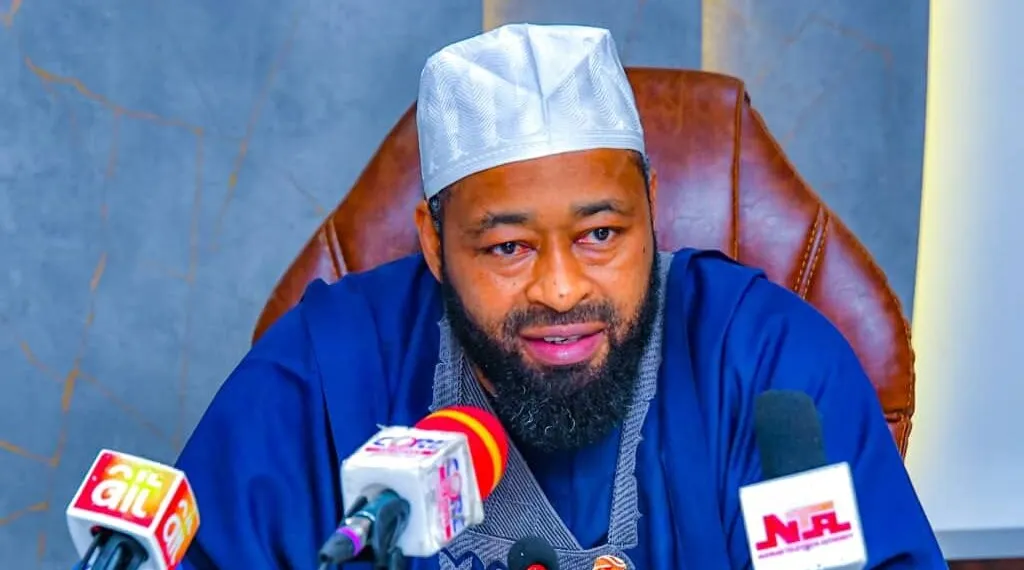
Gov. Umaru Bago of Niger is set to receive myclimate experts as the state intensifies efforts to attract UN climate finance and develop viable carbon-market projects.
The delegation will visit Nigeria from Aug. 23 to Aug. 28 for a technical feasibility mission to assess potential carbon-market projects in Niger.
In a statement made available to the News Agency of Nigeria (NAN) on Tuesday in Abuja, the discussions will focus on strengthening Niger’s participation in international carbon markets.
In the statement signed by Malam Aliyu Umar, Project Coordinator, Niger State Carbon Market Project, the mission will also examine regulatory requirements for activities under Article 6.4 of the Paris Agreement.
NAN reports that the agreement provides a framework for international carbon-market cooperation.
Umar said the visit follows strategic discussions involving myclimate, the Niger Government and ICA Finance in Bonn, Germany, on the sidelines of UNFCCC’s 64th session.
NAN reports that Myclimate Foundation is an international climate protection organisation and carbon project developer with roots in Switzerland and Germany.
Its experts specialise in carbon market advisory, climate strategy consulting, carbon footprint calculations, and sustainable development education.
Umar said the mission would identify and assess potential carbon projects while establishing baseline conditions required to determine their technical and investment feasibility.
He said experts with different methodological expertise would conduct field assessments at selected locations across the state during the mission.
“The assessment will cover at least three major solid-waste disposal dumpsites to examine viable landfill and alternative waste-management carbon-project pathways.
“The experts will also visit remote farming and fishing settlements without solar photovoltaic mini-grids or where existing coverage remains incomplete.
“Rice-producing areas will also be assessed to identify opportunities for carbon projects capable of attracting climate finance and investment into the state,” he said
According to Umar, three major public schools will be assessed, particularly their kitchens and cooking facilities, to determine potential opportunities for emissions-reduction projects.
