










Africa faces mounting economic strain as global shocks intensify, driven by Middle-East conflict disrupting energy, food, and fertiliser markets, say regional economic leaders.
The leaders stated this in a media briefing on Friday after their meeting on the sidelines of ECA’s 58th session in Tangier, Morocco, as monitored virtually by the News Agency of Nigeria (NAN).
They include African Development Bank (AfDB), African Union Commission (AUC), UN Development Programmes (UNDP), and UN Economic Commission for Africa (ECA).
They issued urgent recommendations to help African economies withstand volatility and build long-term resilience.
NAN reports that the joint brief reflects growing concern over Africa’s exposure to external shocks, including geo-political tensions, climate impacts, and tightening global financial conditions.
The leaders assessed the conflict’s widening impact and outlined coordinated policy responses for African governments.
They emphasised the need for swift, coordinated interventions to mitigate immediate risks while positioning economies to better absorb future disruptions.
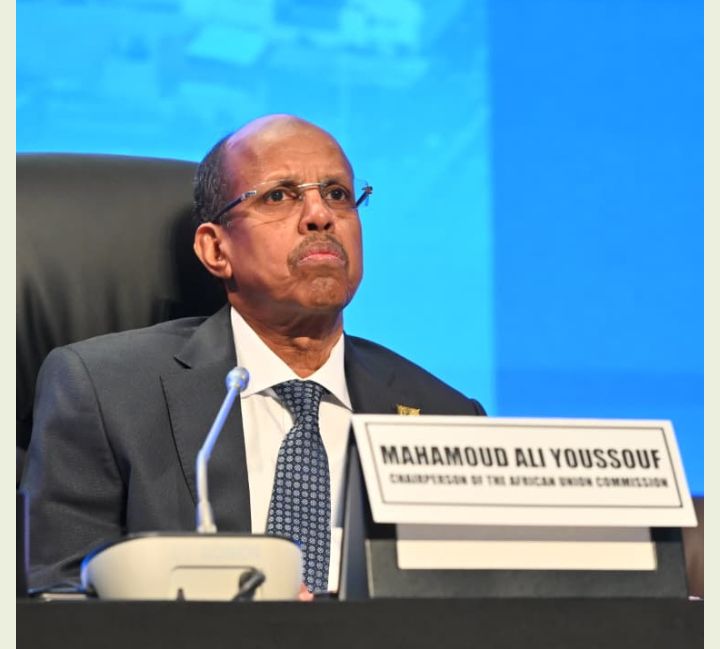
“A continued escalation worsens global instability, with serious implications for energy markets and food security,” said Mahmoud Ali Youssouf, AU Commission Chairperson.
He warned that African economies remain highly vulnerable to imported inflation, particularly from energy and food price spikes triggered by global crises.
The report warned shocks now spread faster through concentrated channels, leaving African economies little time to adjust and exposing households to rising costs and hardship.
It noted that supply chain disruptions and financial tightening amplify vulnerabilities, particularly in import-dependent and low-income economies.
Oil prices have surged over 50 per cent since late March, while 29 African currencies have weakened, increasing debt servicing burdens and import costs.
The currency depreciation has intensified fiscal pressures, limiting governments’ ability to respond effectively to rising social and economic demands.
Disruptions to Gulf energy supplies threaten fertiliser access during the March–May planting season, risking lower yields and worsening food insecurity across vulnerable countries.
This could trigger wider agricultural shocks, deepen rural poverty, and heighten the risk of humanitarian crises in already fragile regions.
