










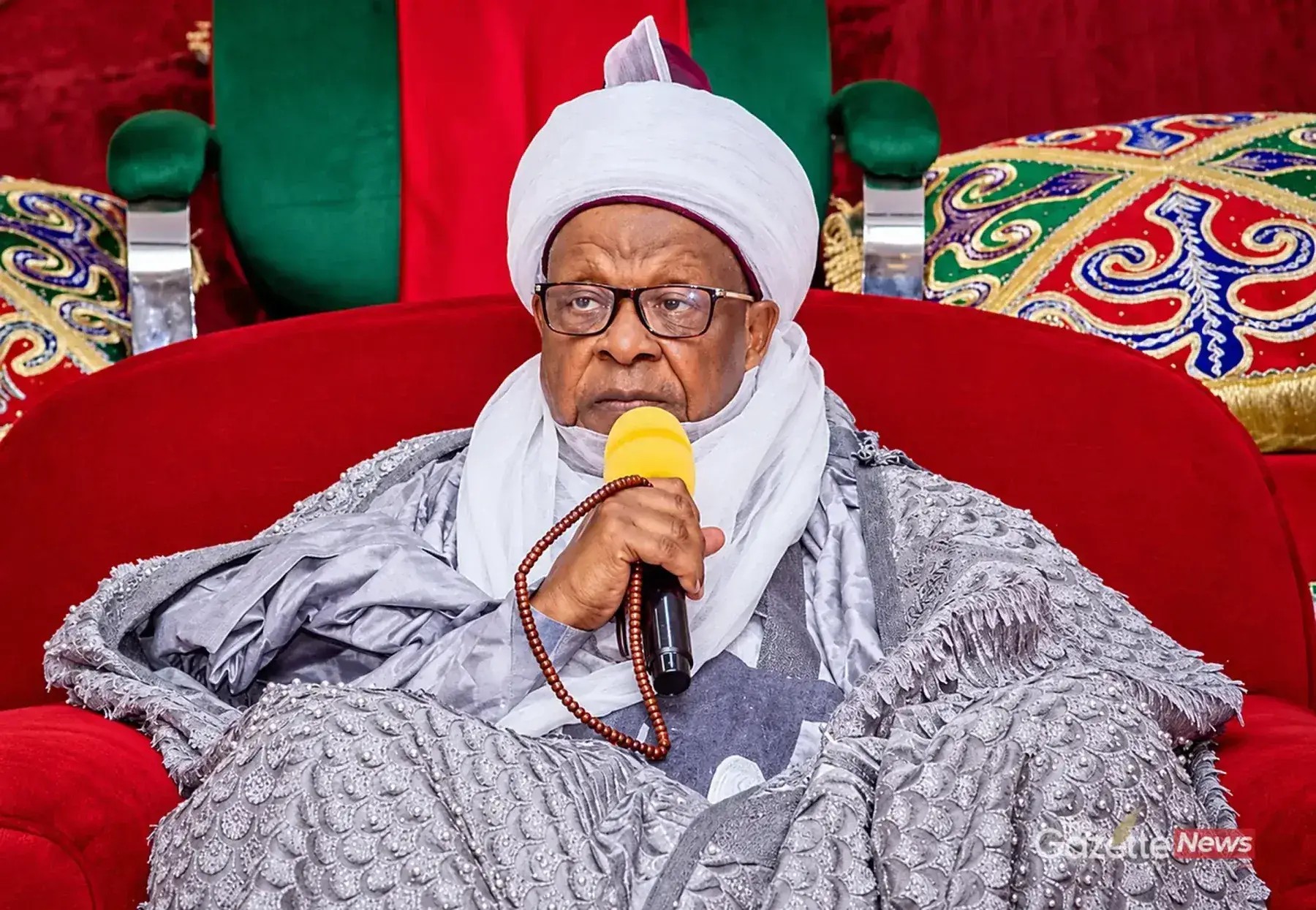
The reported remarks of the Emir of Katsina on political leadership, insecurity and the welfare of ordinary Nigerians provide an opportunity to reflect on the responsibilities of those entrusted with power. At a time when many communities, particularly in North-West Nigeria, continue to grapple with insecurity and economic hardship, the need for honesty, accountability and people-centred leadership cannot be overstated.
Beyond the immediate political context, the issues raised highlight a fundamental question: should leadership be measured by political influence and personal ambition, or by its ability to improve the lives of the people?
Politics, in a democratic society, should be a process of presenting ideas, convictions and programmes to persuade citizens to support a candidate. Unfortunately, some politicians resort to manipulation, deception, unrealistic promises, personal attacks and intimidation of those who hold opposing views. Such practices weaken democratic institutions and erode public trust.
Genuine politics should be guided by honesty, accountability and a sincere commitment to improving people's lives. Political competition should be about presenting workable solutions to national challenges rather than creating divisions or treating opponents as enemies.
The Qur’an, in Surah Ali ‘Imran (3:103), calls on believers to hold firmly together and avoid disunity. This message remains relevant to Nigeria, where political, ethnic and religious differences are sometimes exploited for personal advantage. Disagreement should not breed hatred, and differences in political affiliation should not prevent citizens from working towards common goals.
National unity requires mutual respect, tolerance and a shared commitment to the common good. Leaders have a particular responsibility to discourage divisive rhetoric and promote peaceful coexistence, especially in a society as diverse as Nigeria.
Both Islamic and Christian teachings place considerable emphasis on justice, service and concern for others. Qur’an 4:135 commands believers to stand firmly for justice, while Mark 10:43–45 presents greatness in terms of service rather than domination.
These principles remind political leaders that public office is a responsibility, not an opportunity for personal enrichment. Leadership derives its true value from the ability to serve the people, uphold justice and ensure that public resources are used for the common good.
A leader's commitment to accountability must also include a willingness to accept constructive criticism. In public life, envy and personal resentment can encourage hostility and attempts to undermine others. However, legitimate criticism should never be dismissed as jealousy simply because it is uncomfortable.
Questioning those in authority is an essential part of democratic accountability. Citizens, traditional rulers, religious leaders and civil society organisations all have legitimate roles in drawing attention to injustice, demanding transparency and encouraging governments to fulfil their responsibilities. Such interventions should be guided by facts, fairness and a genuine desire for positive change.
