










Iran said on Wednesday it would reopen the Strait of Hormuz for limited navigation after agreeing to a two-week ceasefire with the United States, in a move aimed at easing tensions that have disrupted global energy markets.
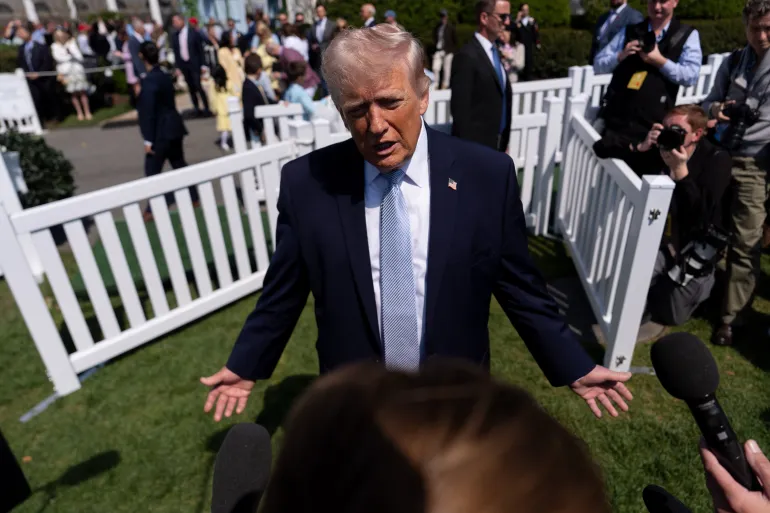
The development was announced on Wednesday by Iran’s Foreign Minister, Abbas Araghchi, after the ceasefire was accepted by U.S. President, Donald Trump.
The agreement was brokered by Pakistan’s Prime Minister, Shehbaz Sharif, with formal negotiations scheduled to begin in Islamabad on April 10.
The Strait of Hormuz, located between Iran and Oman, is a vital global shipping route through which about 20 per cent of liquefied natural gas and 25 per cent of seaborne oil pass annually.
Araghchi said Iran would allow “safe passage through the Strait of Hormuz” for two weeks under coordination with its armed forces.
“For a period of two weeks, safe passage through the Strait of Hormuz will be possible via coordination with Iran’s Armed Forces and with due consideration of technical limitations,” he said.
He added that Iran agreed to “suspend defensive operations” on the condition that attacks by the United States and its allies cease.
“If attacks against Iran are halted, our powerful armed forces will cease their defensive operations,” the minister stated.
Trump, in a statement posted on social media, confirmed the ceasefire, saying it followed discussions with Pakistani officials.
