










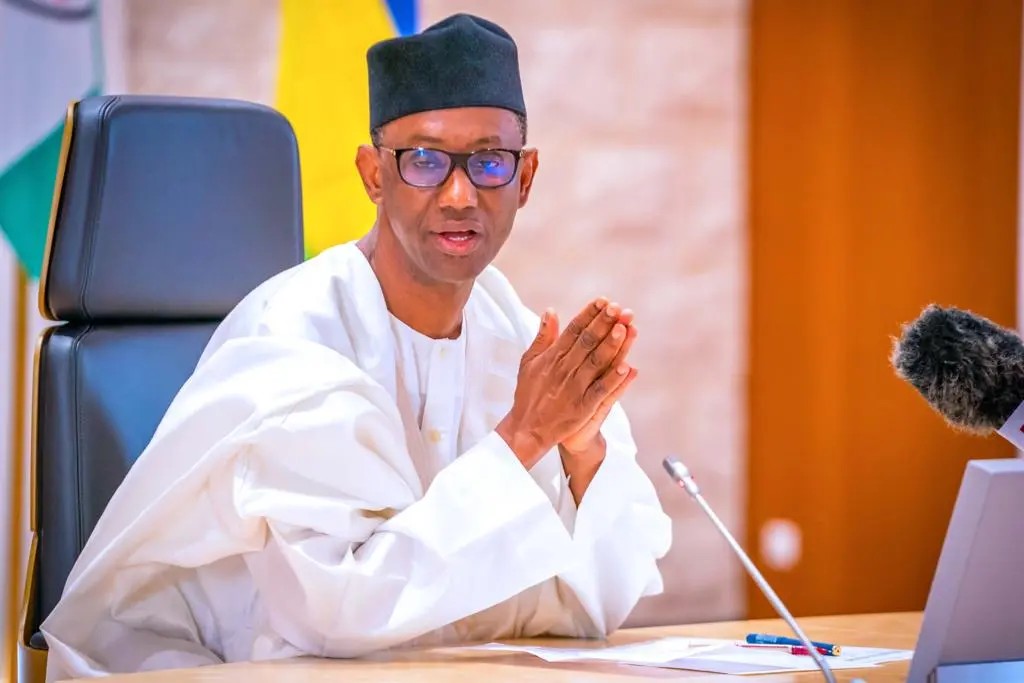
The National Security Adviser (NSA), Malam Nuhu Ribadu, says proliferation of illicit small arms and light weapons is sustaining banditry, terrorism and communal violence in Nigeria.
Ribadu stated this on Thursday in Abuja at a one-day workshop on lessons learnt from Nigeria’s 2016 National Baseline Survey on Illicit Small Arms and Light Weapons.
The workshop was organised by the National Centre for the Control of Small Arms and Light Weapons (NCCSALW), in partnership with the United Nations Office for Disarmament Affairs (UNODA).
The NSA, represented by Mr Solomon Feyintola, Director, External Affairs, Office of the NSA, said illicit weapons also fuelled organised crime and strengthened the operational capacity of terrorist groups.
He described the proliferation of illicit weapons as “a deadly threat to the safety of our people”, stressing that government’s response must be based on credible evidence.
“It sustains banditry in the North-West, fuels communal and farmer-herder conflicts across the North-Central, arms criminal networks in our cities and sustains the operational capacity of terrorist and insurgent groups in the North-East,” he said.
Ribadu said the 2016 baseline survey provided Nigeria with a comprehensive picture of the scale and character of illicit weapons proliferation.
He said its findings led to the establishment of the National Centre for the Control of Small Arms and Light Weapons and guided the National Action Plan.
However, the NSA said Nigeria must critically examine the methodology, coordination and implementation challenges encountered during the 2016 exercise before embarking on a new survey.
“Before we launch into the next National Baseline Survey, we owe ourselves the discipline of an honest review. What worked? What did not? And what must be done differently this time?” he said.
Ribadu identified an accurate baseline as a strategic national security asset capable of strengthening counter-proliferation efforts and tracking the movement of illicit weapons across Nigeria’s borders and communities.
He called for a whole-of-government and whole-of-society approach involving security agencies, sub-national governments, traditional and religious institutions, civil society organisations and communities.
The NSA also acknowledged the importance of international partnerships, particularly the support of the UNODA and the UN Regional Centre for Peace and Disarmament in Africa.
