








Top Headlines

Fuel subsidy return will reverse Nigeria’s gains — Idris

Published on August 24, 2026 | By Abdulhamid Abubakar

Share with friends:

news
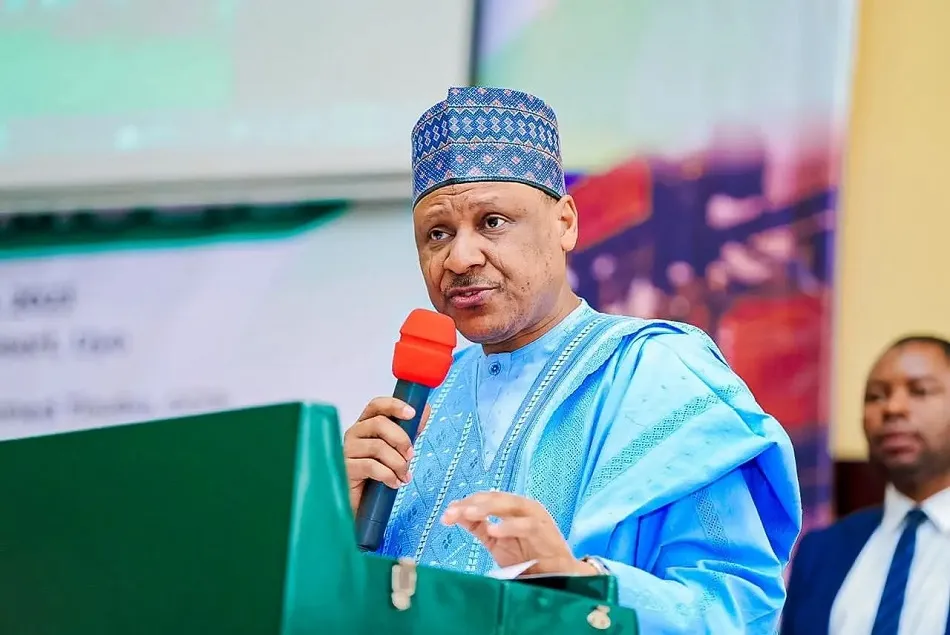
Minister of Information and National Orientation, Mohammed Idris


The Minister of Information and National Orientation, Mohammed Idris, says restoring petrol subsidy will reverse Nigeria’s economic gains and return the country to the fiscal challenges that made the policy unsustainable.


Idris said this on Monday in a statement on the Federal Government’s reform scorecard, arguing that subsidy removal had freed resources for development across the three tiers of government.


He said Nigeria spent about $10 billion on fuel subsidy in 2022, at a time of declining oil production and weak government revenue.


According to him, the World Bank had warned that the subsidy was diverting resources that could have been used for education, healthcare, infrastructure and social protection.


Idris said the Federal Government’s reform scorecard showed that subsidy savings released ₦15.8 trillion to the Federation between June 2023 and December 2025.


He said the amount comprised about ₦5.43 trillion for the Federal Government, ₦6.52 trillion for states and ₦3.88 trillion for local governments.


The minister clarified that the ₦15.8 trillion was not held in a separate account but represented resources released into the wider fiscal system.


He said the additional funds had helped states and local governments meet salary and pension obligations and finance infrastructure and essential services.


At the federal level, Idris said the reforms had supported about ₦6.47 trillion in strategic infrastructure spending covering transport, housing, agriculture and security.


He added that more than 10 million households had benefited from social transfers, while over ₦400 billion had been committed to NELFUND, MREIF and CREDICORP.


Idris said the reforms had also supported wage adjustments, pensions and investments in education, healthcare, agriculture, electricity and security.


He said increased investor confidence, higher oil production and expanding domestic refining capacity were among the gains recorded since the reforms began.


The minister warned that reversing the policy would undermine investor confidence and threaten progress in the petroleum sector.


He said Nigeria was already carrying a significant electricity subsidy, which cost about ₦3.14 trillion between June 2023 and December 2025.


“Reintroducing a petrol consumption subsidy on top of this would deal a double blow to Nigeria’s fiscal position,” he said.


Idris acknowledged the hardship caused by the reforms but said reversing them was not the solution.


He said government should instead accelerate measures to translate the increased fiscal space into better services, jobs, infrastructure and improved living standards.


Enjoyed this article? Share it with friends!