










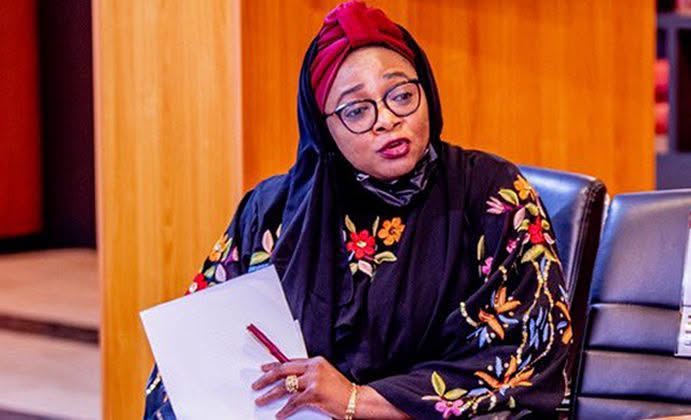
The Federal Government, in collaboration with the African Development Bank (AfDB) and UN Women, on Wednesday inaugurated the Nigeria Gender Profile and Roadmap to Equality 2030 to address disparities.
The Minister of Women Affairs and Social Development, Hajiya Imaan Sulaiman-Ibrahim, said the document provided an evidence-based assessment of gender equality and a framework for achieving national targets by 2030.
She said the profile served two purposes by presenting an honest picture of the current state of gender equality in Nigeria and outlining practical steps toward achieving national commitments.
Sulaiman-Ibrahim described gender equality as a strategic investment in national development, emphasising that advancing equal opportunities for women and girls would strengthen families, communities and the country’s economy.
“Gender equality is not a concession; it is a sound investment in the strength of our nation.
“When women and girls enjoy equal access to education, finance, leadership and security, families are more stable, communities are more resilient and the economy grows,” she said.
The minister said the roadmap, developed with support from AfDB and UN Women, offered the most comprehensive assessment of gender disparities in Nigeria and outlined priority actions for addressing them.
She added that government was already supporting implementation through initiatives including the Renewed Hope Social Impact Interventions and the Nigeria for Women Programme, which reached more than 560,000 women.
Earlier, Dr Abdul Kamara, Acting Vice President, Regional Development, Integration and Business Delivery and Director-General for Nigeria, African Development Bank Group, described gender equality as an economic imperative.
“Gender equality is not a social objective. It is an economic imperative.
“Nigeria cannot afford to leave half of its population behind,” he said.
Kamara said persistent inequalities in education, finance, employment and leadership continued to constrain inclusive growth and sustainable development, limiting the country’s ability to maximise its economic potential.
According to him, closing gender gaps could unlock between two and three per cent of Nigeria’s Gross Domestic Product annually, creating significant opportunities for national economic transformation.
“This is not marginal. This is transformational,” he said.
