










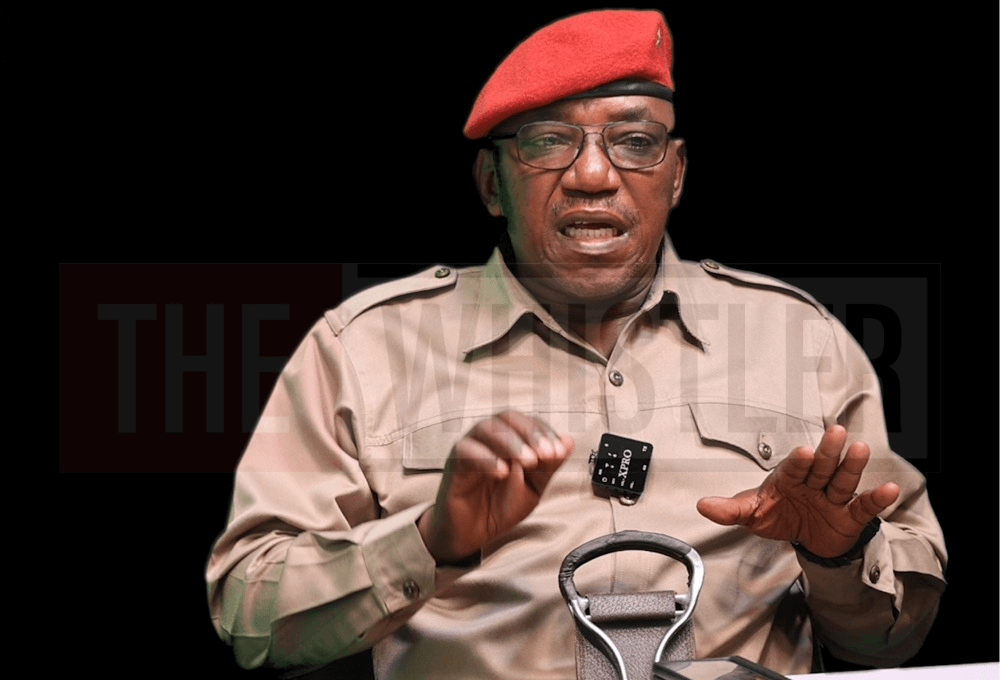
Former Minister of Youth and Sports Development, Mr Solomon Dalung, has warned that Nigeria is facing a serious constitutional crisis following allegations that the Tax Reform Laws were altered after being passed by the National Assembly.
Dalung raised the concern in a statement issued on Saturday in Abuja, following an allegation by Hon. Abdulsameed Dasuki, a member of the House of Representatives representing Sokoto State, that two conflicting versions of the same Tax Reform legislation are in circulation.
According to Dasuki, the version of the law reportedly assented to by President Bola Ahmed Tinubu differs from the bill duly passed by the National Assembly.
Dalung said if the allegation is established, it would amount to a fundamental breach of the 1999 Constitution (as amended), which vests legislative authority exclusively in the National Assembly.
He explained that the Constitution provides a clear process for presidential assent, noting that where the President has reservations about a bill, such concerns must be formally communicated in writing to the National Assembly within 30 days.
He added that the legislature is empowered to amend the bill accordingly or override a presidential veto by a two-thirds majority of its entire membership.
Dalung said any alteration of a bill after it has left the National Assembly, without legislative reconsideration or override, amounts to an unconstitutional usurpation of parliamentary powers and a subversion of democratic governance.
He further warned that the allegation suggests the possible existence of an unelected network capable of manipulating legislation outside constitutional procedures, thereby undermining checks and balances.
