










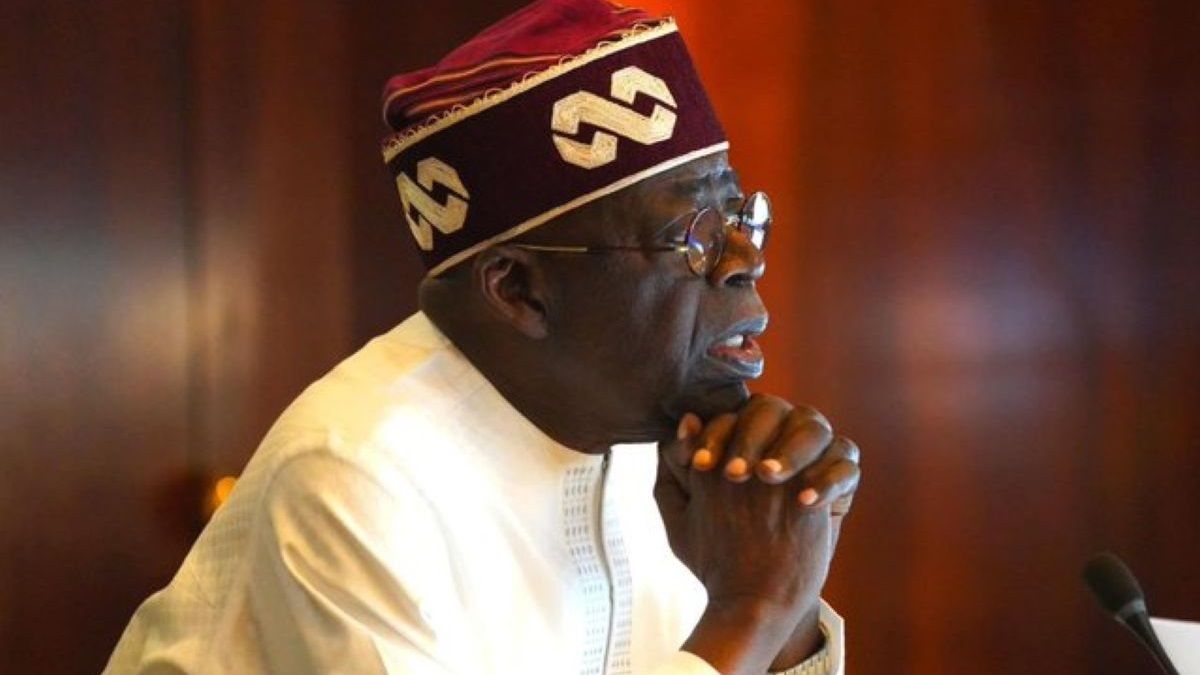
President Bola Tinubu has directed the Federal Roads Maintenance Agency (FERMA) to adopt a preventive, planned, and evidence-based approach to road maintenance to improve the condition and lifespan of federal roads.
Tinubu represented by the Secretary to the Government of the Federation (SGF), Sen. George Akume, gave the directive on Tuesday in Abuja, at the 2026 Roads Summit with the theme, “Sustainable Road Infrastructure for National Growth”.
The President also tasked the agency to develop a comprehensive, geo-referenced national database of failed and failing federal roads.
The database, he said, should clearly identify the causes of road failures, whether arising from design limitations, poor construction quality, axle overloading, drainage challenges, climate impacts, or lapses in maintenance.
He called for a shift from reactive road repairs to a sustainable, preventive, and evidence-based maintenance framework, stressing that long-term infrastructure resilience depended on accurate data and institutional coordination.
” In this regard, I wish to emphasise the strategic importance of systematic road audits and robust data management.
“Sustainable infrastructure management begins with knowing the true condition of our assets.
“Another important factor is that FERMA must continue to strengthen routine road condition audits, safety audits, and post-failure assessments across the federal road network.
“More importantly, the development of a comprehensive, geo-referenced national database of failed and failing federal roads is imperative.
“With accurate and up-to-date data, Nigeria can move decisively from emergency repairs to predictive and preventive maintenance planning,’ he said.
The President added that a credible road asset database would enhance budgeting accuracy, prioritisation of interventions, contractor accountability, and research collaboration with institutions such as the Nigerian Building and Road Research Institute (NBRRI).
He added that it would also align Nigeria with global best practices in road asset management, where infrastructure decisions are guided by lifecycle costing, performance indicators, and resilience standards.
According to the President, Nigeria under his leadership, is witnessing unprecedented inclusive investments in road infrastructure, driven by a commitment to quality, durability, and value for money.
He however, said that building new roads was only half the responsibility of governance, adding that the other half, equally critical, was maintaining and preserving what was built.
