










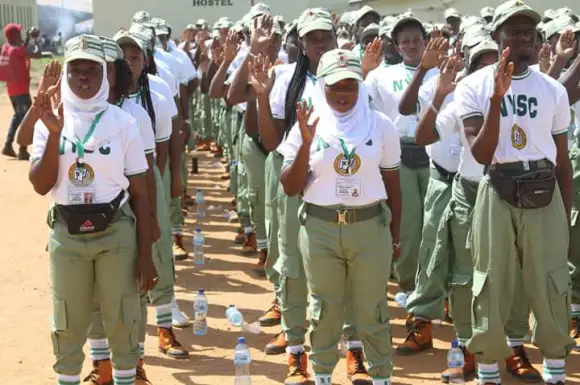
A Coalition of Nigerian Muslim women has called on the Federal Government to review the uniforms of the National Youth Service Corps (NYSC) to ensure adequate inclusion of Muslim female corps members
Ms Firdausi Amasa, a member of the coalition, made the call at a news briefing to mark the 2026 World Hijab Day, held in Abuja, on Saturday.
The News Agency of Nigeria (NAN) reports that the day, marked annually on February 1, every year, is a powerful global platform that highlights the beauty and significance of the Muslim woman’s dress.
The initiative was founded by Nazma Khan in 2013, inspired by her personal journey of resilience after experiencing verbal and physical challenges for choosing to wear the hijab.
Amasa said, ” Since its inception, World Hijab Day has grown remarkably, touching lives in over 190 countries, including Nigeria, and fostering understanding and unity across diverse communities.”
NAN reports that the theme for 2026 World Hijab Day is “#Unityinhijab.”
Amasa said that that the current uniform of the NYSC was highly inadequate for Muslim female corps members, adding that there was the need for an overhaul of the NYSC dress code to properly include Muslim female corps members and others.
She added, ” We propose that Muslim students be allowed to wear a knee length hijab. Also, they should be exempted from the compulsory requirement to wear shorts for parade and wear long, free, white trousers instead.”
She emphasised the need for the National Assembly to prioritise the swift passage of outstanding bills to safeguard against discrimination based on appearance or faith.
Amasa said, ” These legislations will demonstrate Nigeria’s commitment to justice and equity.
The society must actively support reverts who choose to wear the hijab, recognising the challenges they often face from loved ones and communities.
” Acceptance, encouragement, and a prejudice-free environment are essential for their journey. Special attention should be given to those facing unique challenges by offering counseling and inclusive support to build their confidence.”
Amasa, who is a legal practitioner, advocated community-driven programme that empower hijab-wearing women through mentorship, skill development, and leadership training.
” These initiatives should connect accomplished professionals with younger women for guidance, equip them with tools to excel in STEM fields, entrepreneurship, and governance, and prepare them for advocacy roles.
” The hijab should be viewed as a symbol of empowerment rather than restriction. We urge individuals, institutions, and leaders to acknowledge the hijab as a reflection of identity, values, and inclusivity.
