










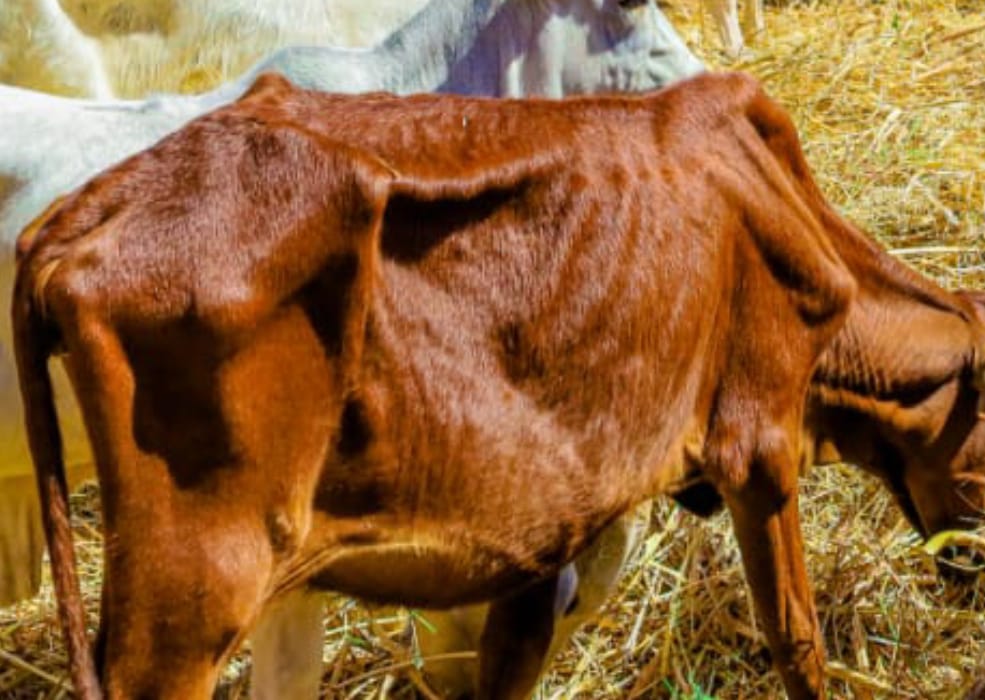
The Federal Government has commenced a coordinated intervention to control tsetse fly and other ectoparasites affecting cattle in Taraba and Sokoto States, in a bid to improve livestock health, productivity and drive sector-wide transformation.
The exercise, led by the Federal Ministry of Livestock Development, began on Monday, Dec. 22, 2025, with the spraying of insecticides on cattle farms and strategic locations to reduce disease vectors and limit the spread of livestock infections.
In Taraba State, the State Coordinator and Federal Epidemiology Officer, Dr. Emmanuel Yarai, said the first phase of the programme covers Jalingo, Ardo-Kola, Lau and Wukari Local Government Areas.
Yarai explained that the intervention would later be extended to the remaining 12 local government areas to achieve statewide coverage.
He noted that tsetse fly is responsible for the transmission of trypanosomiasis, a highly endemic disease in Africa that causes significant economic losses to livestock farmers.
According to him, the disease attacks the blood and lymphatic systems of infected animals, leading to fever, weight loss, anaemia, paralysis and, in severe cases, death.
Yarai added that while most cattle breeds are susceptible to the disease, West African N’dama cattle possess a natural tolerance to trypanosomiasis.
He said the programme also includes the deployment of biconical traps at strategic locations to sustain control efforts and further reduce infection rates beyond the initial spraying exercise.
In Sokoto State, the Ministry’s Coordinator, Dr. Umar Tukur Argungu, said farmers assisted officials in identifying grazing areas with high tsetse fly prevalence.
