










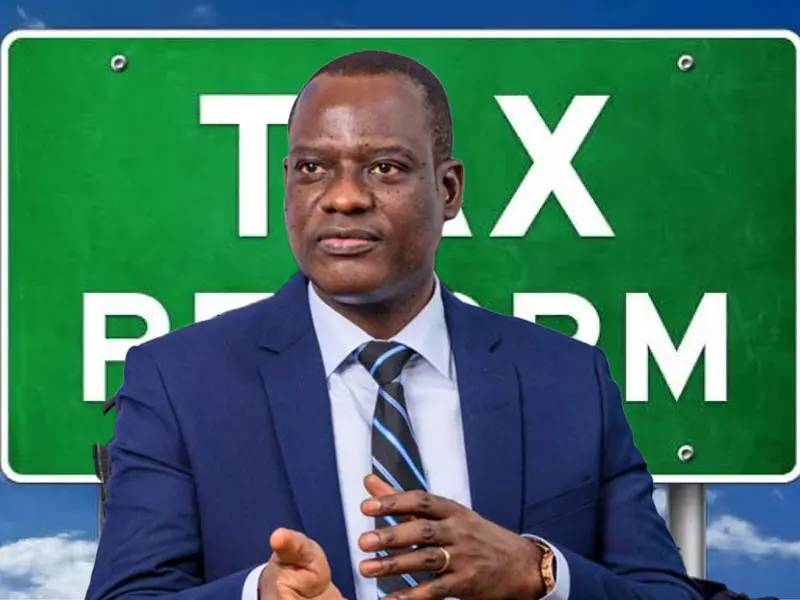
The Presidential Fiscal Policy and Tax Reforms Committee has pushed back against a recent critique of Nigeria’s new tax laws by global auditing firm, KPMG, saying most of the firm’s observations were based on misunderstandings rather than genuine gaps.
In a statement titled “Response to KPMG: Observations on Nigeria’s New Tax Laws”, released on Saturday and shared by the committee’s chairman, Taiwo Oyedele, the panel said it welcomed constructive engagement but stressed that only a small portion of KPMG’s comments were meaningful.
“We welcome all perspectives that contribute to a shared understanding and successful implementation of the new tax laws. We acknowledge that a few points raised by KPMG are useful, particularly where they relate to implementation risks and clerical or cross-referencing issues,” the committee said.
However, it noted that most of KPMG’s publication reflected a misunderstanding of policy intent, adding that some deliberate policy choices were wrongly presented as errors.
“The majority of the publication reflected a misunderstanding of the policy intent, a mischaracterisation of deliberate policy choices, and, in several instances, repetitions and presentation of opinion and preferences as facts,” the statement added.
The committee explained that many of the so-called “errors” highlighted by KPMG were either incorrect conclusions, issues taken out of context, or areas where the firm simply preferred different policy outcomes.
“While it is legitimate to disagree with policy direction, disagreements should not be framed as errors or gaps,” the committee said, urging professional firms to engage directly with government for clarification rather than publishing misleading interpretations.
