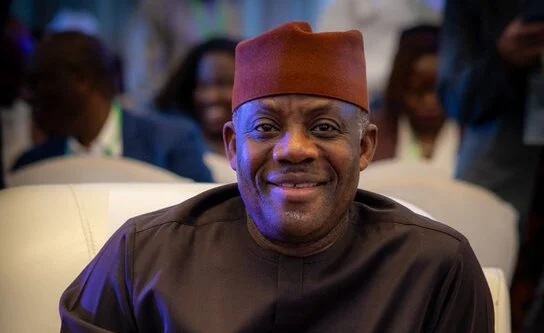
The Federal Government has unveiled plans to transform Nigeria’s polytechnic education system, focusing on innovation, good governance, and sustainability as key drivers for national development.
Minister of Education, Dr. Maruf Alausa, made the call during a retreat for council chairmen, commissioners of education, rectors, registrars, and bursars in Abuja on Wednesday.
Speaking on the theme “Transforming Polytechnic Education in Nigeria: Innovation, Good Governance and Sustainability for National Development”, he said:
“Polytechnics are not mere institutions; they are the crucibles where innovation meets practicality, where skills forge economic resilience, and where sustainable development becomes a lived reality for our nation.”
Alausa highlighted the need to equip graduates with practical, industry-ready skills and urged polytechnic leaders to prioritise entrepreneurship, research hubs, and industry partnerships.
He identified renewable energy, agricultural technology, digital manufacturing, and climate-resilient solutions as priority sectors.
On governance, the minister stressed transparency, accountability, ethical leadership, fiscal discipline, and zero tolerance for corruption, adding that sustainable funding should be enhanced through Internally Generated Revenue and reduced import dependence.
Acknowledging existing challenges such as funding gaps, outdated facilities, and societal bias favoring university degrees, Alausa expressed confidence in government support under President Bola Tinubu’s Renewed Hope Agenda, including policy reforms, infrastructure upgrades, and special TETFund interventions to modernize polytechnic engineering schools.
Dr. Sani Tunga, Chairman of COHEADS, emphasized the retreat’s role in addressing conflicts within polytechnic governance, strengthening financial sustainability, and enhancing skills-driven national development.
Executive Secretary of the National Board for Technical Education (NBTE), Professor Idris Bugaje, traced the history of technical education in Nigeria, noting decades of neglect but highlighting recent reforms under Alausa as a turning point.
The retreat brought together top leaders to chart a practical roadmap for polytechnic education, aiming to bridge the skills gap, reduce unemployment, and strengthen Nigeria’s technical manpower for national growth.