










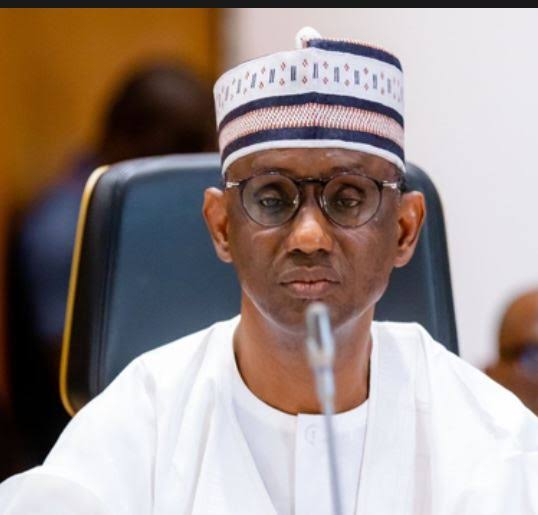
The National Security Adviser (NSA), Malam Nuhu Ribadu, says the U.S.-Nigeria military and security cooperation has translated into tangible operational gains.
Ribadu said this on Thursday, in Abuja at the inauguration of the U.S.-Nigeria Joint Working Group.
“I would like to place firmly on record Nigeria’s appreciation for the depth, quality and impact of U.S.-Nigeria military and security cooperation.
“Since the November 2025 engagements, this cooperation has translated into tangible operational gains.”
He listed some of the gains to include enhanced intelligence sharing, closer coordination between U.S. AFRICOM and Nigeria’s Defence Headquarters, and sustained engagement across Nigeria security institutions.
“It has materially strengthened our counter-terrorism posture and situational awareness across multiple theatres of operation,” Ribadu said.
The NSA said the engagements had moved decisively beyond dialogue to action and had supported improved target identification and operational fidelity.
He said the engagements had also strengthened joint planning, and enabled more effective disruption of terrorist networks and transnational criminal elements.
According to him, these efforts have resulted in the neutralisation of many terrorists, the destruction of logistics hubs, and the interception of key facilitators and logisticians.
He commended the U.S. commitment to the timely delivery of outstanding articles of war such as drones, helicopters, platforms, spare parts, and associated support systems procured over the past five years.
Ribadu said the cooperation had been conducted with respect for Nigeria’s sovereignty, within agreed frameworks, and with a clear emphasis on joint operations, accountability and the protection of civilians.
He said the Federal Government had taken deliberate and decisive steps to confront insecurity with the formal declaration of security emergencies in vulnerable and high risk areas by President Bola Tinubu.
The NSA said the president had authorised intensified joint operations, and directed the sustained deployment of security forces to priority locations, particularly those communities experiencing recurrent attacks on civilians and religious groups.
